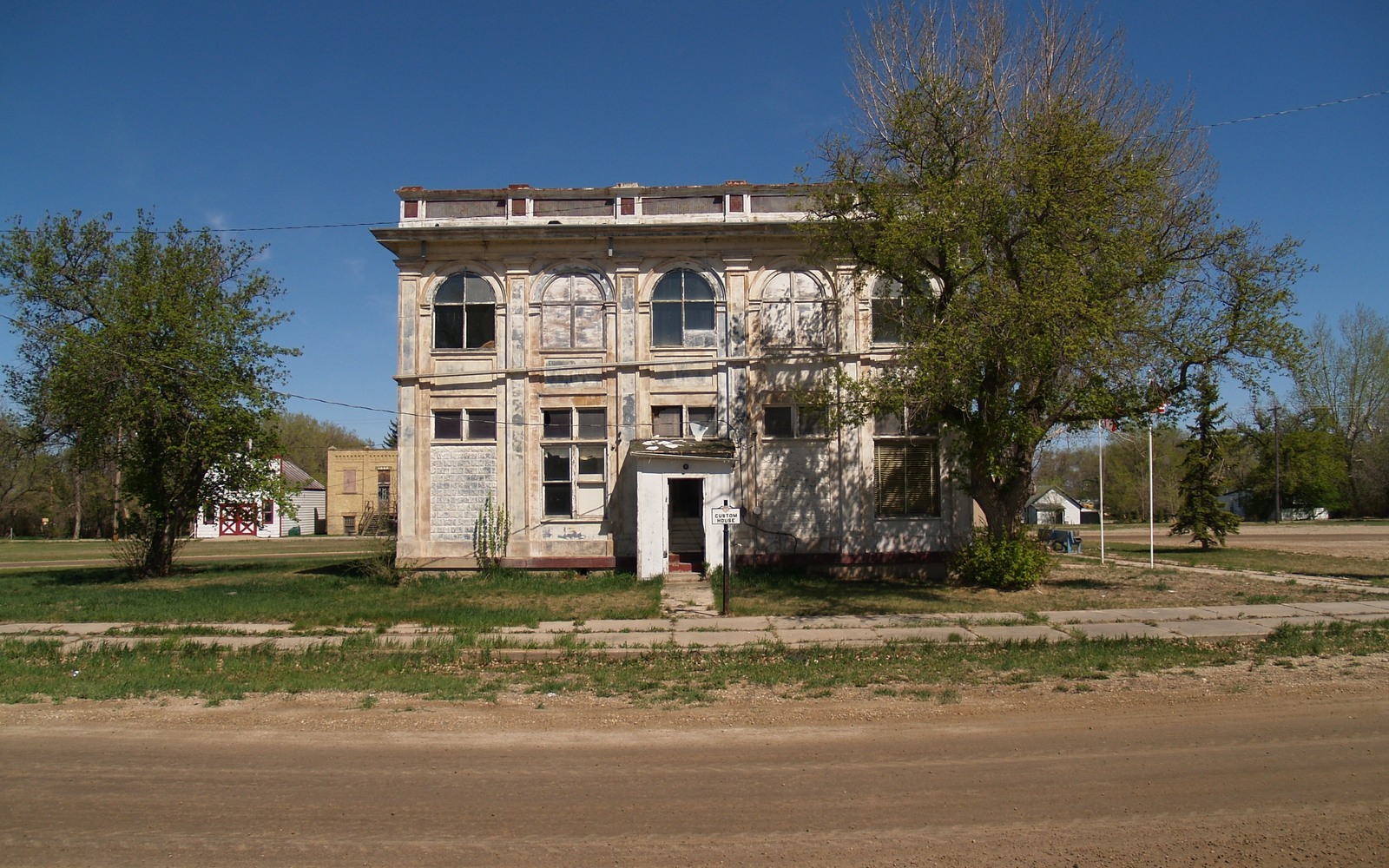
Antler sits close to the Canadian border in Bottineau County, near the older Newburg-area conventional fields that put this part of the state on the map decades before the modern Bakken boom.
Families holding minerals near Antler often have interests tied to that earlier conventional era, wells drilled into the Madison group back in the 1950s and 60s, rather than to modern horizontal Bakken development. Those older wells, where still producing, tend to run at low, steady stripper rates rather than the higher early-life volumes typical of a new well.
Antler's Ties to the Older Newburg-Era Fields
The Newburg and Wiley fields, discovered in the 1950s, sit near Antler and represent Bottineau County's original oil boom, decades before horizontal drilling reached this part of the basin.
What a Legacy Well Near Antler Typically Produces
Where these older wells still produce, output is generally low and steady rather than sharply declining, which shows up as a modest, fairly consistent royalty check month to month rather than the higher, faster-declining pattern of a new Bakken well.
Confirming Your Interest
The Bottineau County Recorder's office in Bottineau holds the deed and probate chain for Antler-area tracts, and because production here has run for decades, that paper trail is often longer than in newer development areas.
What to Expect From an Antler-Area Review
Given the older, steady nature of production near the historic Newburg field, we typically find Antler-area interests easier to value with confidence once current production is confirmed, since the output pattern tends to be more predictable than newer, faster-declining Bakken wells.
Begin with the local record trail
A local mineral review starts with the recording office, legal description, deed chain, reservations, lease, units, division orders, payor records, statements, and state well data.
Route local questions correctly
Probate, marital property, dormant-mineral rules, pooling, recording, transfer, regulatory filings, and payor notices can differ from one county to the next. Qualified advisers should review those questions.
Keep the local review tract-specific
Use the local context as a prompt, not a valuation shortcut. Antler sits near Bottineau County's old Newburg-era oil fields close to the Canadian border. See what that legacy history means for a mineral interest there. The review desk then reconciles the exact tract against gross and net acres, ownership fraction, producing and inactive wells, paid decimal, recent statements, lease burdens, title exceptions, and the complete written offer. That comparison keeps a familiar town or county name from standing in for the record that actually controls price and closing.
North Dakota Owner Questions
Is Antler near the historic Newburg oil field?
Yes, Antler sits close to the Newburg and Wiley fields, discovered in the 1950s, which represent Bottineau County's original conventional oil boom.
Why is your Antler-area royalty check so consistent month to month?
Older conventional wells in this area typically produce at low, steady stripper rates rather than the faster decline pattern of a newer Bakken well, which shows up as a more consistent check.
Where Do you find Antler mineral records?
The Bottineau County Recorder's office in Bottineau holds deed and probate records, often going back decades given the area's older production history.
Is your Antler mineral interest still worth something if the well is old?
Yes, a well several decades into production can still generate steady value, and we evaluate current production rather than assuming an older well means less value.
Is legacy production near Antler more predictable to value than newer Bakken wells?
Generally yes, steady stripper-rate production is easier to project forward than a new well still in its early decline phase, which can make valuation more straightforward.