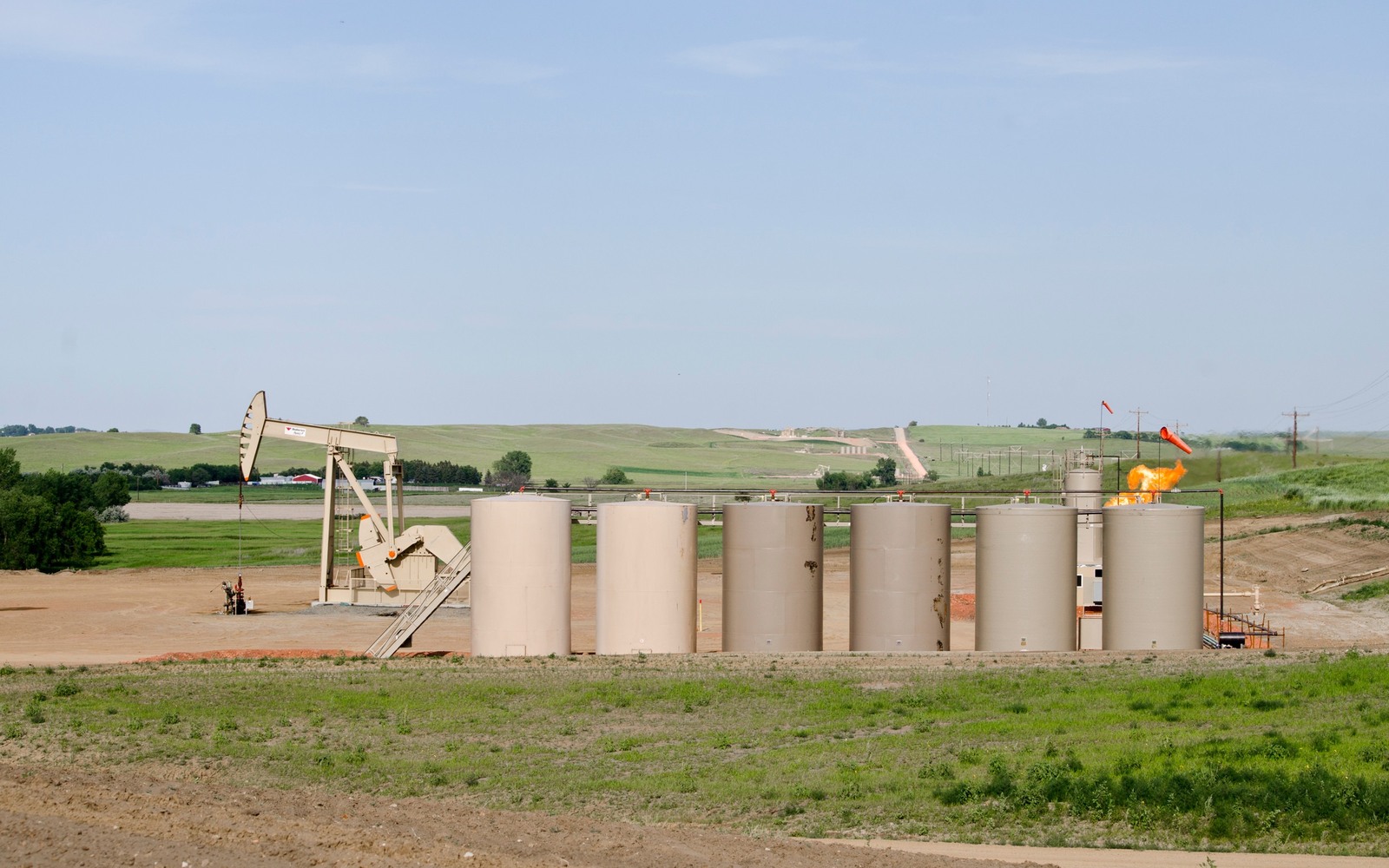
McKenzie County sits at the center of the Bakken, and if your family still holds minerals here, chances are nobody in the household has lived on that land in decades.
Plenty of McKenzie County families held ground north of Watford City, on the county side of the river, long before the boom ever started. When the rigs came in around 2010, quarterly checks started showing up again on old leases signed in the 1950s for maybe a few dollars an acre. Nobody expected it to matter again. Then it did, and the mail started arriving from operators, landmen, and buyers nobody recognized. That confusion is the reason this review process exists.
McKenzie County produces more Bakken oil than any other county in the state, most years by a wide margin, and it also has one of the most tangled ownership pictures in North Dakota because so much of the acreage sits inside or adjacent to the Fort Berthold Reservation. If you inherited a fraction of an interest here, whether it's fee minerals or a trust allotment, we can walk you through what it's actually worth before you sign anything.
Where the Bakken runs deepest in McKenzie County
The core of the Bakken and the underlying Three Forks bench sits directly beneath McKenzie County, which is why the county has hosted some of the highest-volume wells in the play, particularly around Watford City, Alexander, and the Charlson and Blue Buttes fields to the east. Operators here have been drilling long laterals and stacking multiple Three Forks benches under a single spacing unit, which means a single quarter section of minerals can sit under two, three, or more wellbores at different depths.
That density is good for a mineral owner's royalty statement but it complicates a sale, because a buyer needs to know exactly which wells and which formations your acreage is pooled into before they can price it. We pull the McKenzie County recorder's records and the state's well index ourselves so you're not the one hunting through courthouse files in Watford City to answer that question.
Fort Berthold trust minerals and split ownership
A meaningful share of McKenzie County acreage, especially in the western and southwestern parts of the county around Mandaree and along the reservation boundary, involves Fort Berthold trust minerals owned by MHA Nation allottees and administered through the Bureau of Indian Affairs. Those interests follow a different transfer process than fee minerals, with BIA approval required for any sale, and we tell owners upfront when their tract falls into that category rather than let them find out midway through a deal.
Off the reservation, fee mineral ownership in the county is often split three or four ways among siblings and cousins who inherited a great-grandparent's original quarter section. If you only own a small fraction, or you're not sure which formation your interest is even leased into, that's normal here, and it's exactly the kind of research we do before we quote you anything.
The nonresident-heir reality in McKenzie County
More McKenzie County mineral owners live outside North Dakota than inside it at this point, a lot of them descendants of ranch and homestead families who moved to Minnesota, Washington, Arizona, or further, and kept the mineral interest because nobody got around to dealing with it. Those owners are usually the ones calling us confused about a Division Order that showed up with unfamiliar decimal interests, or a royalty check that dropped by half with no explanation attached.
We're set up for exactly that situation. Everything we need can be handled by mail, phone, or a notarized deed sent through a local notary wherever you are. You don't need to fly to Watford City or hire a North Dakota attorney just to find out what a fair offer for your interest looks like.
Reading a Bakken royalty statement from a McKenzie County well
McKenzie County royalty statements tend to be some of the more complicated ones we see, because a single well often reports production allocated across a multi-well pad, with post-production deductions for gathering, processing, and transportation itemized separately from the gross value. Add a Three Forks bench well permitted right on top of an older Bakken well on the same spacing unit, and the statement can run several pages for one mineral owner.
We read those statements the way a landman would, not the way a spreadsheet does, because decline curves, deduction lines, and pooled interests all change what your acreage is actually worth to a buyer today, separate from what it produced two or three years ago. If you send us a recent statement, we'll walk you through what it's telling you before we ever talk price.
North Dakota Owner Questions
Your minerals are inside the Fort Berthold Reservation. Can you still buy them?
It depends on whether they're trust minerals or fee minerals. Trust interests require Bureau of Indian Affairs approval and follow a longer, federally supervised process. Fee minerals within the reservation boundary transfer like any other North Dakota mineral deed. Tell us your situation and we'll tell you honestly which category applies and what the timeline looks like.
you do not know which section or well your McKenzie County minerals are pooled into. Can you find that?
Yes. Send us the legal description from an old deed, lease, or Division Order and we'll pull the McKenzie County recorder's records and the state well index to identify which spacing units and wells your interest touches before we quote anything.
What's a fair price for McKenzie County Bakken minerals right now?
It varies significantly depending on which spacing unit, how many wells and benches are producing under it, current decline stage, and recent activity nearby. We don't quote a number until we've actually looked at your specific tract and recent royalty history, and we won't promise a top-dollar figure that doesn't hold up.
you live out of state and inherited this interest from a grandparent. What Do you need to sell?
Typically a certified copy of the probate or affidavit of heirship showing you're the rightful owner, plus a notarized mineral deed. We handle the paperwork and can walk you through it by phone since most of our McKenzie County owners are nonresident heirs in the same boat.
Why did your royalty check drop so much from last year?
Bakken wells decline fast in their first few years, often losing a large share of initial production within 24 to 36 months, and that shows up directly in monthly royalty checks. It doesn't mean the well stopped producing, just that it's now in a slower, longer decline phase, which is one reason many owners choose to sell rather than hold through the tail.