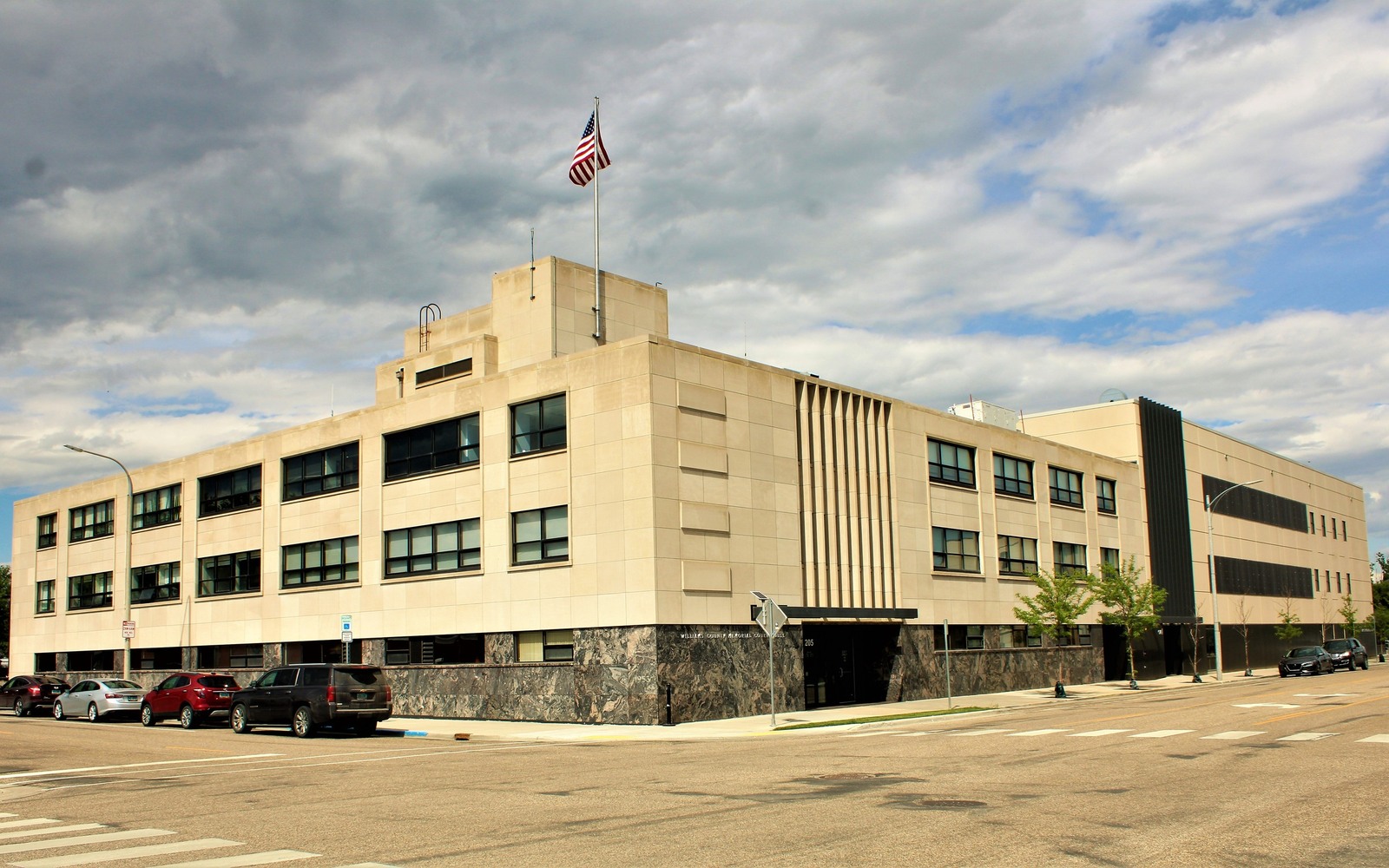
Williams County is where most people picture the Bakken boom when they picture it at all, and if you own minerals here, you probably already know that means more attention, more offers, and more confusion than most owners want to deal with.
A western North Dakota family's first lease check came from ground not far outside Williston, back when the county was still mostly wheat and cattle and the idea of a hotel room costing four hundred dollars a night would have sounded absurd. It doesn't anymore. Williston sits at the confluence of the Missouri and Yellowstone rivers, and Williams County around it became the epicenter of the entire Bakken play, with more wells drilled here over the last fifteen years than almost anywhere else in the country.
That kind of activity is a mixed blessing for a mineral owner. Values went up, but so did the number of landmen and buyers calling, and it's genuinely hard to know which offer on a Williams County tract is fair and which one is banking on you not checking. We look at your actual acreage, actual wells, and actual production history before we tell you what we'd pay.
Williston, Tioga, and the fields that started it all
Tioga is where North Dakota's first commercial oil well came in back in 1951, the Clarence Iverson #1, decades before anyone used the word Bakken the way we do now. That early history left a layer of older vertical wells and leases across the county on top of the modern horizontal development, which means Williams County title work sometimes has to sort through two distinct eras of oil activity on the same tract.
Williston itself sits over some of the thickest, most productive Bakken and Three Forks rock in the state, and the fields ringing the city, along with acreage out toward Ray, Wildrose, and Springbrook, have supported dense multi-well pad development for over a decade. That density matters when we price an interest, because a spacing unit with five producing wellbores is a different asset than one with a single aging vertical well.
Split and fractional ownership across Williams County
A lot of the original homestead-era quarter sections around Williams County have been divided among three, four, or more generations of heirs by now, which means it's common for a single 160-acre tract to have a dozen or more mineral owners, each holding a small fraction. If you own one of those fractions, it doesn't mean your interest isn't worth pursuing, it just means the title work takes a little more care.
We pull the Williams County recorder's records ourselves to confirm your chain of title and your actual decimal interest before we make an offer, so you're not guessing at what fraction of a well you actually own.
Owners scattered far from the Missouri-Yellowstone confluence
It's common for us to talk to a Williams County mineral owner in Arizona, Oregon, or Florida who hasn't set foot in North Dakota in thirty years, holding an interest their parents or grandparents left them from a ranch that's been sold or leased out for generations. These owners often have the hardest time getting straight answers from operators or landmen over the phone, and that's exactly the gap we try to close.
Everything we do can be handled remotely, by mail and phone, with a notarized deed signed wherever you live. You don't need a North Dakota address or a North Dakota attorney to sell a Williams County mineral interest fairly.
Making sense of a Williams County royalty statement
Because so much of Williams County has multi-well pads and stacked Three Forks development, royalty statements here often show production allocated across several wellbores under one spacing unit, with gathering, processing, and marketing deductions itemized line by line. It's not unusual for an owner to see the gross value on one line and a net check that's noticeably lower once those deductions are applied.
We read these statements the way an operator's accounting department does, so when we make an offer it's grounded in what your specific wells are actually producing and declining at right now, not a countywide guess. If you send us a recent statement, we'll explain every line before we talk price.
North Dakota Owner Questions
Why Do you keep getting different offers on your Williams County minerals?
Because buyers price differently based on how much diligence they actually do. Some quote off a countywide average without checking your specific wells; others lowball hoping you won't compare. We look at your actual spacing unit, well count, and recent production before naming a number.
A western North Dakota family's interest goes back to an original homestead near Tioga. Does that older history matter?
It can. Some Williams County tracts have decades-old leases layered under newer horizontal development, and occasionally older vertical wells are still on the books. We check the full title history so nothing surprises you mid-transaction.
you only own a small fraction split among several cousins. Is it worth selling?
Often yes, since Williams County wells tend to be strong producers even divided many ways. We can also work with multiple family members on the same tract if you'd rather sell together than separately.
How fast can a Williams County sale actually close?
Once we've confirmed title and you've signed the deed, most straightforward fee mineral sales here close within a few weeks. Complicated title, like unresolved probate, takes longer, and we'll tell you upfront if that applies to you.
Do you buy interests that are already leased to an operator?
Yes. A lease doesn't stop you from selling the underlying minerals; the new owner simply steps into your position and continues receiving royalties under the existing lease terms.