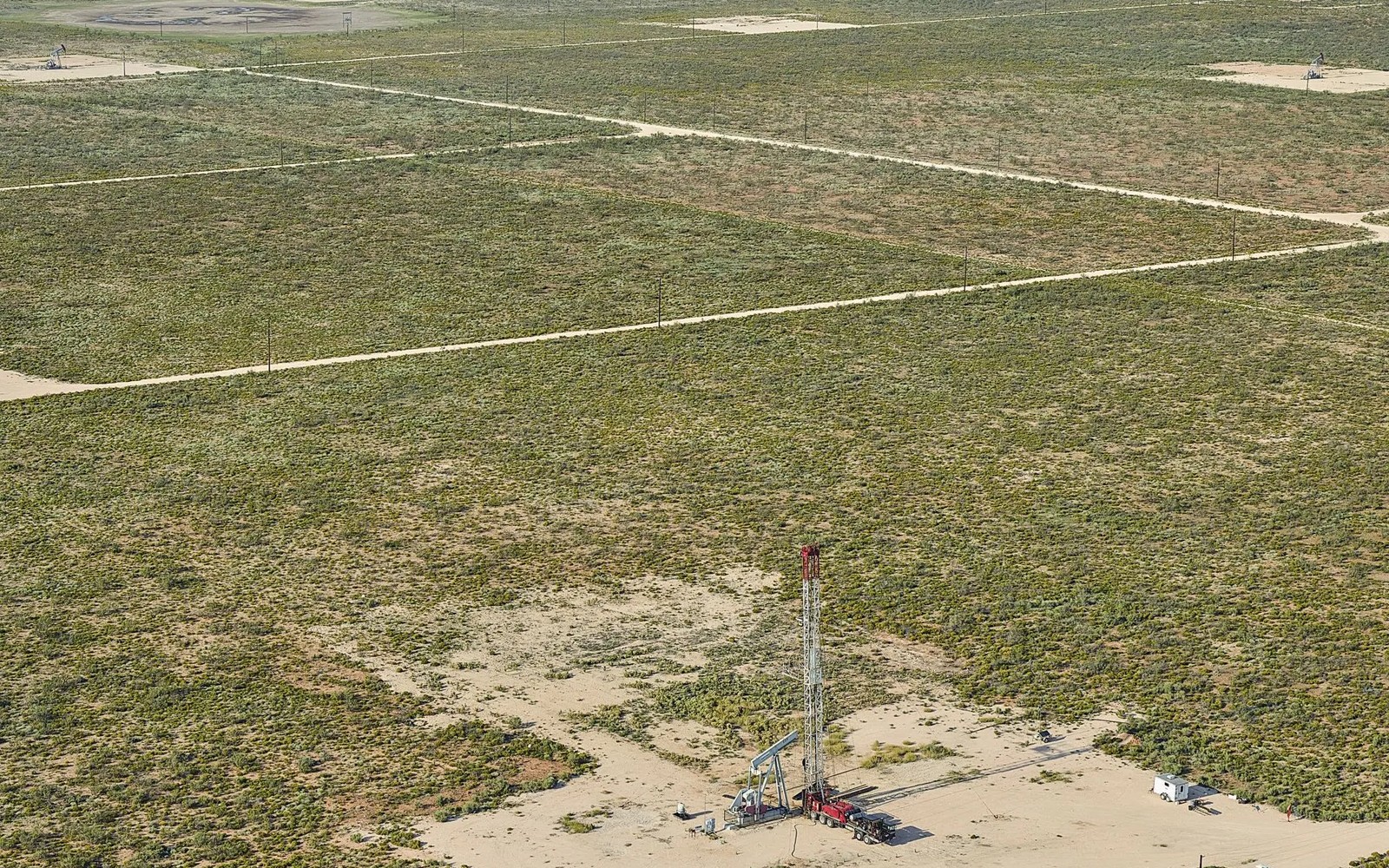
A North Dakota mineral owner's aunt moved to Arizona thirty years ago and kept the family minerals the whole time, opening statements at her kitchen table two thousand miles from the section they were paying on.
A huge share of North Dakota mineral owners don't actually live in North Dakota anymore. Families left the homestead for jobs, warmer winters, or just to be closer to grandkids, and the mineral deed came along for the ride, sitting in a file cabinet in Phoenix or Minneapolis or Seattle while the actual ground it describes stays put in McKenzie or Williams County. Managing that from a distance, tracking statements, catching lease renewals, responding to pooling notices, gets harder every year, especially once the person who originally understood the deed is gone and the next generation is starting from scratch.
None of that requires a trip back to North Dakota to sort out. Every part of a mineral sale, from valuation to closing, can be handled by mail, phone, and a notary in whatever state you're in now.
What gets harder from a distance
Operators mail division orders and lease notices to whatever address is on file with the county, and if that address is stale, or if the interest passed to an heir who never updated it, notices can go astray for years. Pooling orders and spacing hearings before the North Dakota Industrial Commission often require a response within a set window, and missing one because a letter sat at a forwarding address doesn't work in your favor.
Property tax on minerals, where applicable, and any required filings also fall on you regardless of where you live, and an absentee owner is exactly the kind of owner these things slip past.
Why a sale often makes more sense for distant owners
If you're not local, you're not going to drive out to check on a well, meet a landman in person, or walk into the courthouse to pull a record. Every interaction happens remotely anyway, which means the value of holding the interest yourself, versus selling it to someone who is set up to actively manage and monitor Bakken and Three Forks acreage, shrinks the farther away you live.
A sale converts an asset that requires ongoing long-distance attention into cash you can actually use where you live now, without the recurring administrative load of tracking a property you'll likely never see in person again.
How the whole transaction works remotely
We send documents electronically or by mail, you review the offer against your recent royalty statement or division order, and once you agree to terms, the deed is signed and notarized locally wherever you are, no different from signing any other legal document at a bank branch or with a mobile notary. The signed deed is then recorded at the North Dakota county where the minerals sit.
Funds are wired or mailed once the deed records, and you never need to set foot in North Dakota for any part of it.
Coordinating with siblings who also live away
It's common for an out-of-state family to have inherited a mineral interest together, with siblings or cousins scattered across three or four different states rather than all in one place. Coordinating a sale in that situation just means each person handles their own signature and notarization locally, wherever they happen to live, while the transaction itself is still handled as a single, coordinated closing.
We've worked through plenty of these multi-state family sales, and the distance rarely slows things down as much as people expect, since none of the paperwork actually requires everyone to be in the same room, or even the same time zone.
North Dakota Owner Questions
Do you need to fly back to North Dakota to sell?
No. The deed can be signed and notarized wherever you currently live, and it gets mailed or couriered back for recording at the county where your minerals are located.
What if you've lost track of exactly what you own?
That's common for owners who moved away decades ago. We can search county records using your name or family name and the general area to help reconstruct what interest you hold.
How do you know the county has your current address on file?
You can check with the county recorder or your operator's division order department directly, and updating it is worth doing regardless of whether you sell, so future notices reach you.
Are there tax implications specific to owning minerals in a different state than you live in?
Yes, North Dakota may require its own filings on mineral income regardless of your residency, so it's worth having your CPA confirm how a sale or continued ownership affects your specific tax situation.
What if the mineral interest is still listed under a deceased relative's name?
That's common when an out-of-state family never formally updated county records after a death, and it needs to be resolved through probate documentation before a sale can close, which we can help you sort out from wherever you live.