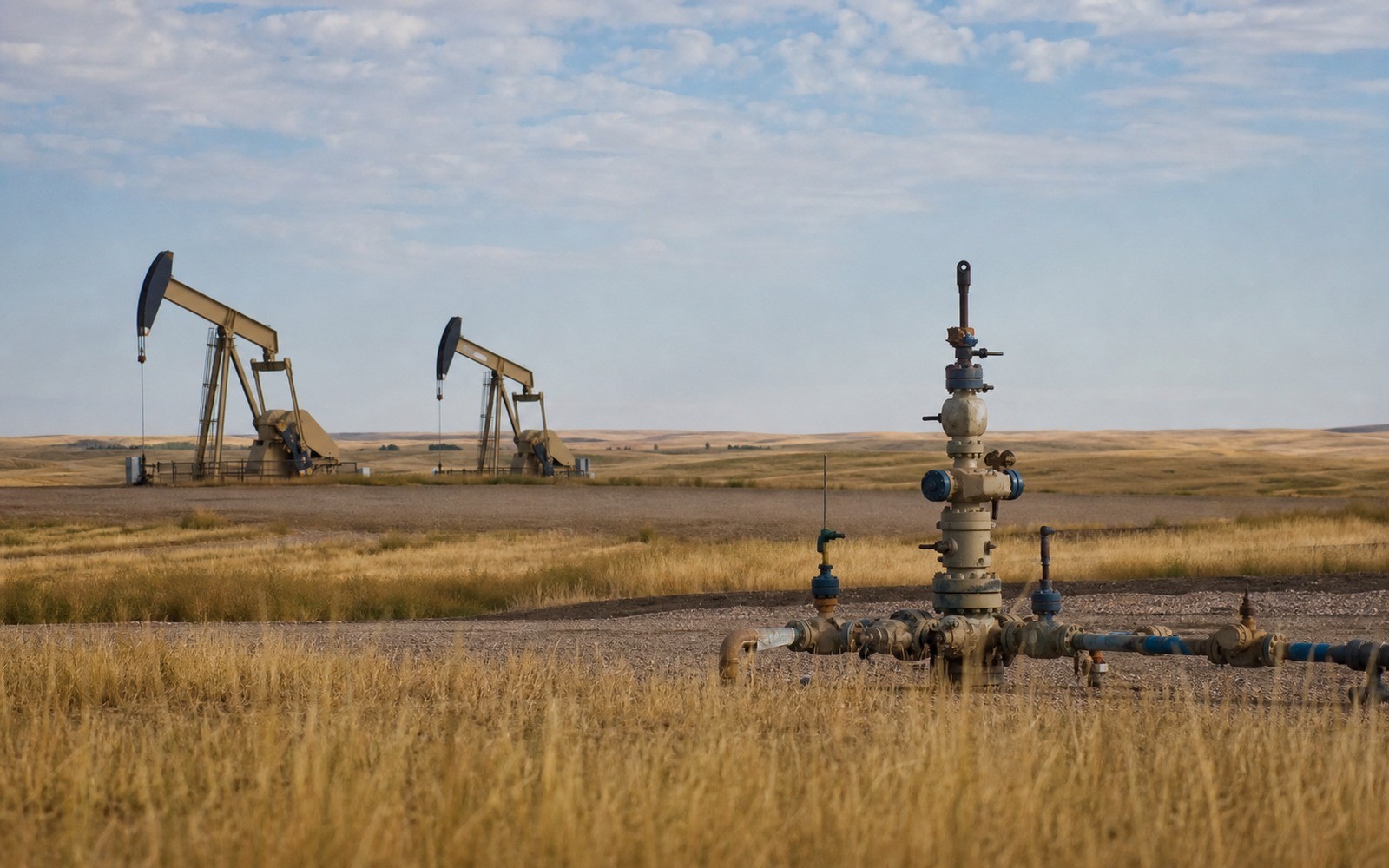
Columbus sits close to the Canadian border in Burke County, in flank acreage where Bakken activity has depended heavily on how far operators extend units from busier counties to the south.
Families with ties to Columbus often hold interests tied to early homestead farming and ranching, and because this part of Burke County sits well out on the flank, the honest starting point for any owner is checking current spacing and well records rather than assuming activity levels similar to core counties further south.
Columbus and the Northern Flank
Burke County's northern reaches, including the area around Columbus, sit at the outer edge of the productive trend, meaning development here has generally been more selective and more dependent on commodity price cycles than in busier parts of the basin.
What Ownership Near Columbus Typically Involves
Original patents in this area date largely to the early 1900s, and interests have split across generations since, with many current owners living outside North Dakota entirely.
Confirming Your Interest
The Burke County Recorder's office in Bowbells holds the deed chain for Columbus-area tracts, and we pull and review that record for owners at no cost before any conversation about a lease or sale.
What to Weigh Before Signing Anything Near Columbus
Given how selective development has been on this part of the flank, we recommend confirming whether your Columbus-area tract currently has an active lease, an expired one, or none at all before agreeing to any new terms, since each situation calls for a different approach.
Begin with the local record trail
A local mineral review starts with the recording office, legal description, deed chain, reservations, lease, units, division orders, payor records, statements, and state well data.
Route local questions correctly
Probate, marital property, dormant-mineral rules, pooling, recording, transfer, regulatory filings, and payor notices can differ from one county to the next. Qualified advisers should review those questions.
Keep the local review tract-specific
Use the local context as a prompt, not a valuation shortcut. Columbus sits near the Canadian border in Burke County's flank acreage. Learn what a family mineral interest there typically looks like today. The review desk then reconciles the exact tract against gross and net acres, ownership fraction, producing and inactive wells, paid decimal, recent statements, lease burdens, title exceptions, and the complete written offer. That comparison keeps a familiar town or county name from standing in for the record that actually controls price and closing.
North Dakota Owner Questions
Is Columbus, ND an active drilling area?
It sits on Burke County's outer flank, where development has generally been more selective and dependent on price cycles, so checking your specific legal description matters more than general trend.
Why is Columbus named after Christopher Columbus?
Like many small North Dakota towns settled during the early-1900s homestead wave, the name reflects that era's naming conventions rather than any local historical connection.
Where are Columbus-area mineral records kept?
The Burke County Recorder's office in Bowbells holds deed, lease, and probate records for tracts throughout the county.
Should you sell an unleased Columbus mineral interest?
That depends on your own comfort with uncertainty and nearby activity levels. We lay out both sides honestly once we've checked the record.
Is a Columbus mineral interest with no drilling history worth reviewing?
Yes, it's worth checking regardless, since nearby unit boundaries can shift over time and an undeveloped tract today can become relevant if operators extend units nearby.