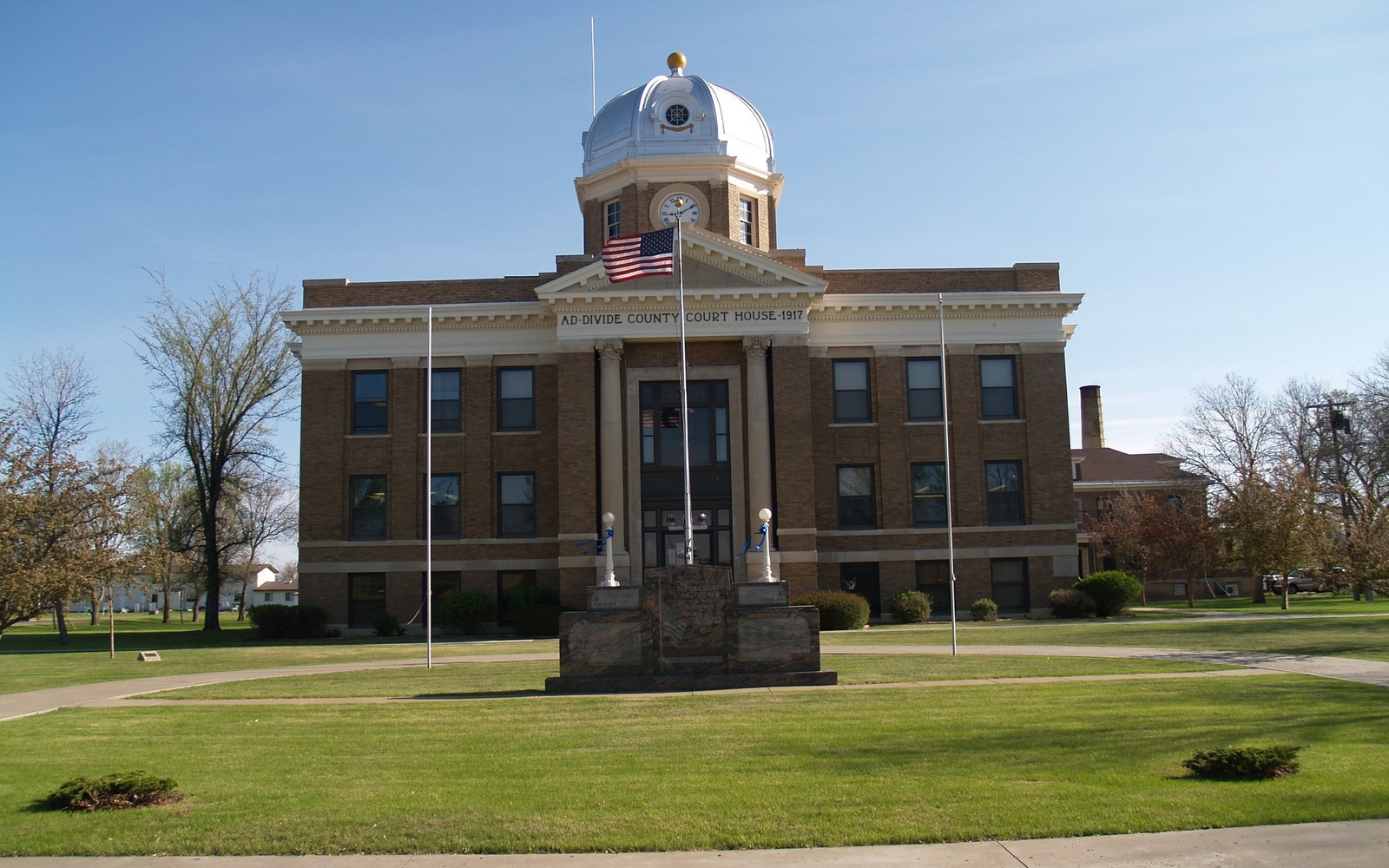
Divide County sits in the far northwest corner of the state, bordering both Montana and Canada, and its oil history has always moved in fits and starts rather than one steady boom.
Crosby, the county seat, has seen oil interest come in waves going back to shallow tests decades before the modern Bakken program, and Divide County's position on the flank of the basin means new horizontal activity here depends heavily on how far operators are willing to extend from busier acreage in Williams County to the south and Burke County to the east. For a mineral owner, that history explains why a Divide County interest can sit quiet for years and then suddenly draw a lease offer when an operator decides to test the edge of a productive trend.
We talk to a lot of Divide County owners who inherited a fractional interest through a border-town family and have no recent lease activity to go by. The record, not the memory of what happened in the 1980s, is what actually tells you where you stand.
Divide County's Long, Uneven Relationship With Oil
Long before the horizontal Bakken program reshaped this basin, Divide County saw scattered conventional tests targeting shallower zones, with results that varied widely from tract to tract. That inconsistency shaped how families here have thought about their minerals for generations: some held onto leases that never produced a check, others sat on wells that quietly paid for decades.
The modern Bakken and Three Forks trend does reach into parts of Divide County, generally as flank rather than core acreage, and activity levels have moved with commodity prices more visibly here than in busier counties closer to Williston.
Flank Position: What It Means for Spacing and Royalty Size
Because Divide County sits on the flank, spacing units here are often smaller or less continuous than the large multi-well units common in core counties like McKenzie or Mountrail, and per-well output tends to run lower. That affects how a royalty check from a Divide County unit compares to one from a core-county tract of the same size on paper.
It also means the value of an unleased Divide County interest depends more on whether an operator currently has interest in extending a unit toward your specific tract than on basin-wide activity headlines.
Crosby's Courthouse Records and the Paper Trail Back to the Original Patent
The Divide County Recorder's office in Crosby holds deed, lease, and probate records for tracts across the county, and because ownership here has often changed hands slowly across a small, tight-knit community, tracing a chain of title can go back further than owners expect. A courthouse visit or formal title search is usually the fastest way to settle exactly what fraction you hold.
If your family's paperwork stops at a parent's estate and doesn't mention the original homestead patent, that gap is normal and closeable, not a sign that the interest can't be confirmed.
Out-of-State Ownership Is the Rule Here, Not the Exception
Divide County's population has declined steadily since its early-1900s settlement peak, and generations of families who once farmed and ranched here have scattered to Montana, Minnesota, and further afield. It is entirely typical for a present-day Divide County mineral owner to have never set foot in the county, holding an interest passed down through two or three moves and as many estates.
That distance is exactly why we handle the courthouse work and the paperwork remotely, so an owner in another state isn't required to travel to Crosby to get a straight answer.
Why Patience Sometimes Pays Off More Than a Quick Sale
Given how unevenly activity has moved through Divide County over the decades, some owners are better served by holding an unleased interest until an operator shows real interest in their specific section, while others would rather take a known number now than wait through another uncertain stretch. Neither choice is automatically right, and the decision usually comes down to an individual family's situation more than anything about the county itself.
North Dakota Owner Questions
Does Divide County have active Bakken drilling?
Parts of it do, as flank acreage extending from more heavily developed Williams County acreage, but activity levels move more visibly with commodity prices here than in core counties.
Why has a western North Dakota family's Divide County lease never produced a check?
A lease can sit unproduced for years if no well has been drilled on the unit, which is common on flank acreage where operators are more selective about where they commit capital.
you live out of state and don't know your exact Divide County ownership fraction. Where Do you start?
Start with the Divide County Recorder's office in Crosby, which holds deed, probate, and lease records. We can request and review that chain for you at no cost.
Is Divide County's oil history older than the Bakken boom?
Yes, scattered conventional tests in the county predate the modern horizontal Bakken program by decades, though results from those older wells varied a great deal by tract.
How is a Divide County royalty typically different from a core-county one?
Flank spacing units here tend to be smaller or less continuous, and per-well output generally runs lower than in core counties, which affects check size even for a comparable ownership fraction.
Should you sell now or wait to see if Divide County sees more drilling?
That depends on your family's situation and risk tolerance more than on any general rule. We can walk through both paths honestly once we know your tract's current status.