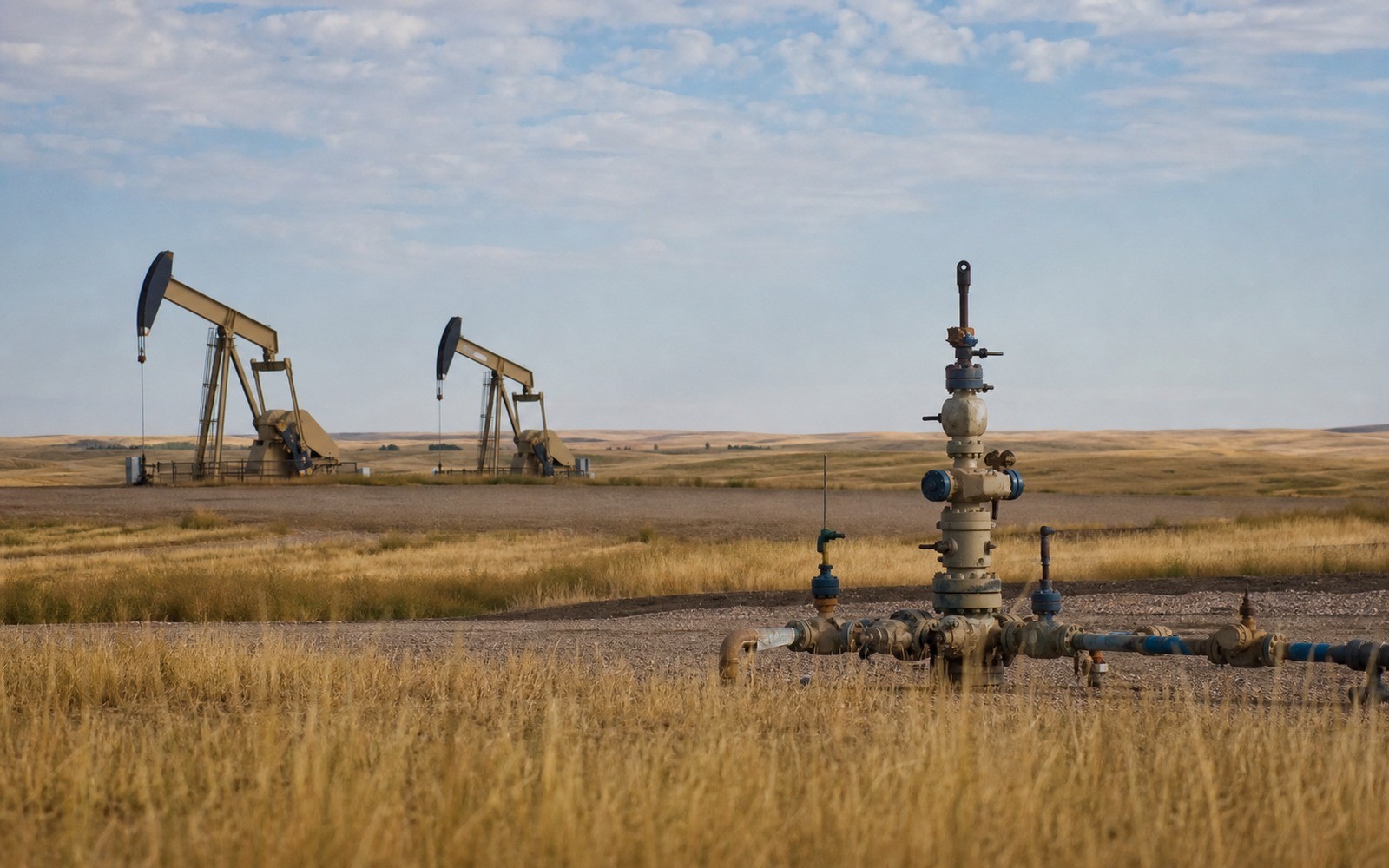
East Fairview sits right on the North Dakota side of the state line, across from Fairview, Montana, near where the Yellowstone meets the Missouri.
This small unincorporated community occupies a corner of McKenzie County that has seen real Bakken activity, even though it sits at the far southwestern edge of the county rather than its busiest interior. For families holding minerals near East Fairview, the border location sometimes means checking both North Dakota and Montana records if the original family land crossed the state line, though the mineral interest itself is governed by whichever state the specific tract sits in.
A Border Community With Real Bakken Exposure
McKenzie County's core Bakken and Three Forks development extends toward the state line, and East Fairview-area tracts have seen horizontal drilling activity as operators worked spacing units westward from the more heavily drilled interior of the county.
Sorting Out Cross-Border Family Land
Because the Yellowstone and Missouri confluence has drawn ranching families to both sides of the ND/MT line for generations, it's not unusual for one family's minerals to include a North Dakota tract and a Montana tract from the same original estate. Each is confirmed separately, through the McKenzie County Recorder for the ND side.
What Owners Near the State Line Should Double-Check
Because East Fairview sits right at the ND/MT border, it's worth confirming which side of the line your specific legal description falls on before assuming which county's records apply. A mismatch between assumed and actual county can slow down an otherwise simple title search, so we verify that detail early.
Begin with the local record trail
A local mineral review starts with the recording office, legal description, deed chain, reservations, lease, units, division orders, payor records, statements, and state well data.
Route local questions correctly
Probate, marital property, dormant-mineral rules, pooling, recording, transfer, regulatory filings, and payor notices can differ from one county to the next. Qualified advisers should review those questions.
Keep the local review tract-specific
Use the local context as a prompt, not a valuation shortcut. East Fairview sits on the McKenzie County side of the ND/MT border near the Yellowstone confluence. See what that border position means for your minerals. The review desk then reconciles the exact tract against gross and net acres, ownership fraction, producing and inactive wells, paid decimal, recent statements, lease burdens, title exceptions, and the complete written offer. That comparison keeps a familiar town or county name from standing in for the record that actually controls price and closing.
North Dakota Owner Questions
Is East Fairview, ND part of active Bakken development?
Yes, it sits within McKenzie County's core development area, with spacing units extending toward the Montana state line.
A western North Dakota family's land straddles the ND/MT border. Does that complicate the mineral interest?
Each tract is governed by the state it physically sits in, so a border estate typically means confirming ND and MT interests separately through the respective county records.
Where Do you check the McKenzie County side of an East Fairview interest?
Through the McKenzie County Recorder's office in Watford City, which holds deed and probate records for tracts on the ND side of the line.
Can you help with a mineral interest that includes both North Dakota and Montana acreage?
Yes, we regularly work with owners whose family land crosses the state line, and we can evaluate each side's interest according to its own state's records.
Is East Fairview's population large enough to matter for mineral records?
Population size doesn't affect mineral title at all. What matters is the legal description recorded at the courthouse, and we can pull that regardless of how small the community around it is.