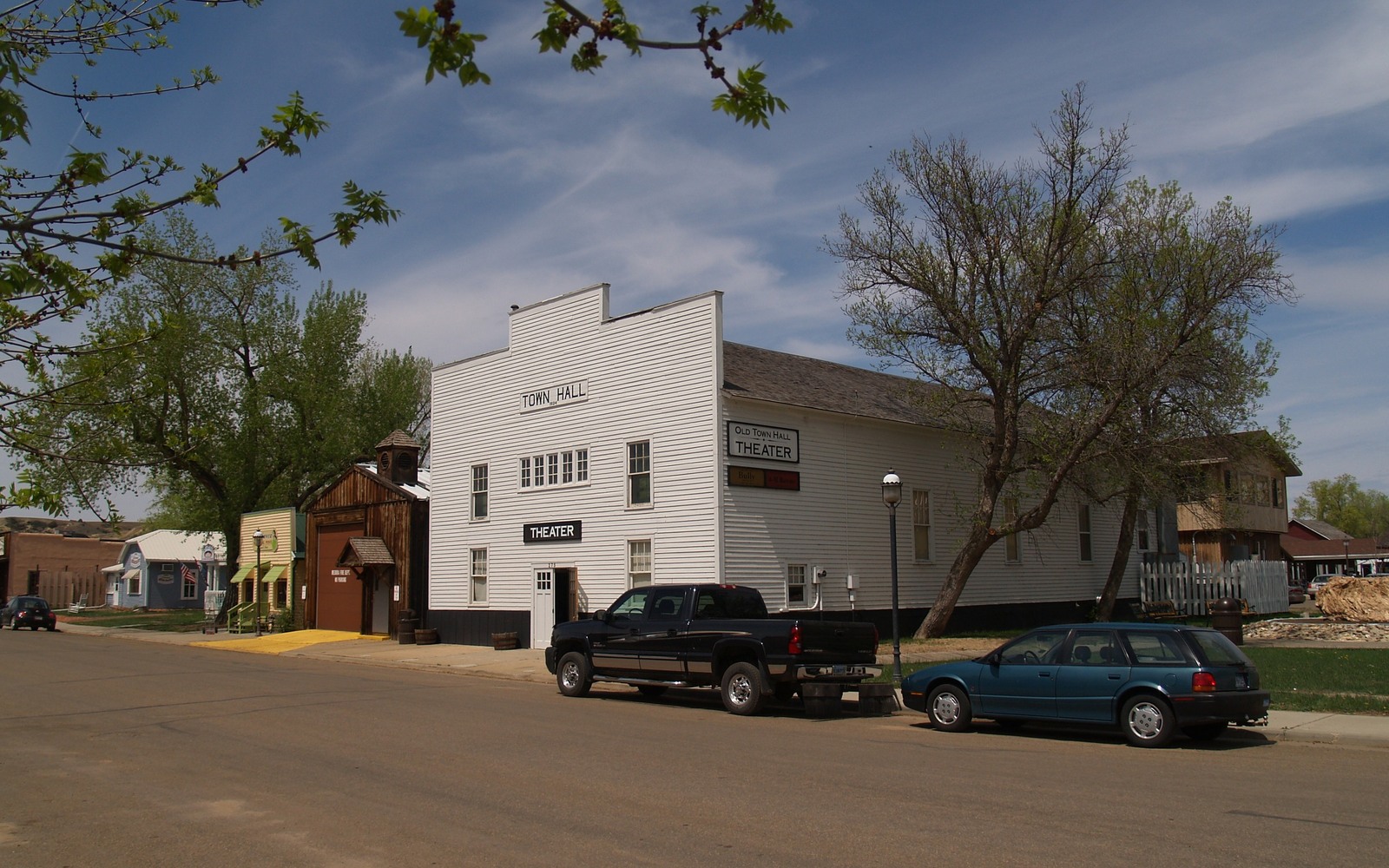
Medora is known for the badlands and Theodore Roosevelt National Park, but the ranch families who hold mineral rights around it know there's oil activity working quietly just outside the park boundary too.
Billings County sits on the western flank of the Bakken, rugged and sparsely populated, and while the tourist economy around Medora gets most of the attention, the surrounding ranchland has seen genuine horizontal drilling over the past fifteen years. Families who've ranched this ground for generations sometimes hold mineral interests that are more active than they realize.
Badlands ranchland with working wells nearby
Billings County has hosted Bakken and Three Forks drilling on the flank of the play, with results that vary more from tract to tract than in the core counties further east. We check the state well index for your specific legal description before saying anything about value, since the badlands terrain means well spacing and access here can differ meaningfully from flat farmland counties.
Ranch families and generational mineral ownership
A lot of Medora-area mineral rights are tied to cattle ranches that have stayed in the same family for a century or more, sometimes with the mineral estate split off from the surface at some point along the way. We confirm your exact ownership and legal description through the Billings County Recorder before making an offer.
What we look for before quoting a badlands tract
Terrain here affects more than scenery. Well access and spacing decisions in the badlands sometimes differ from flat farmland counties, and that shapes how a spacing unit is drawn and which wells actually reach your acreage. We check the state's permit and completion records for your specific section before saying anything about value.
If your family's interest has never been drilled, that doesn't rule out a sale, undeveloped badlands acreage still has value tied to nearby activity and future potential, and we'll explain honestly where yours stands.
Begin with the local record trail
A local mineral review starts with the recording office, legal description, deed chain, reservations, lease, units, division orders, payor records, statements, and state well data.
Route local questions correctly
Probate, marital property, dormant-mineral rules, pooling, recording, transfer, regulatory filings, and payor notices can differ from one county to the next. Qualified advisers should review those questions.
Keep the local review tract-specific
Use the local context as a prompt, not a valuation shortcut. Own mineral rights near Medora, ND in the badlands? Billings County has real Bakken-flank drilling behind the scenery. Get an honest offer. The review desk then reconciles the exact tract against gross and net acres, ownership fraction, producing and inactive wells, paid decimal, recent statements, lease burdens, title exceptions, and the complete written offer. That comparison keeps a familiar town or county name from standing in for the record that actually controls price and closing.
North Dakota Owner Questions
Is there really drilling activity that close to the national park?
Yes, on private and state land outside the park boundary. We check whether any wells are active on or near your specific tract before making an offer.
We sold the ranch surface years ago but kept the minerals. Is that a problem?
No, that's a common and legally straightforward arrangement in North Dakota. Mineral rights and surface rights transfer separately unless a deed specifically combines them.
How rugged terrain in Billings County affects drilling and value?
It can limit well density in some areas, which we factor into how we look at your tract compared to flatter core-county acreage.
Our mineral interest has never had a well on it. Is it still worth checking?
Yes, undeveloped acreage can still carry value, particularly if there's activity nearby, and it costs nothing to have us look at your specific tract.