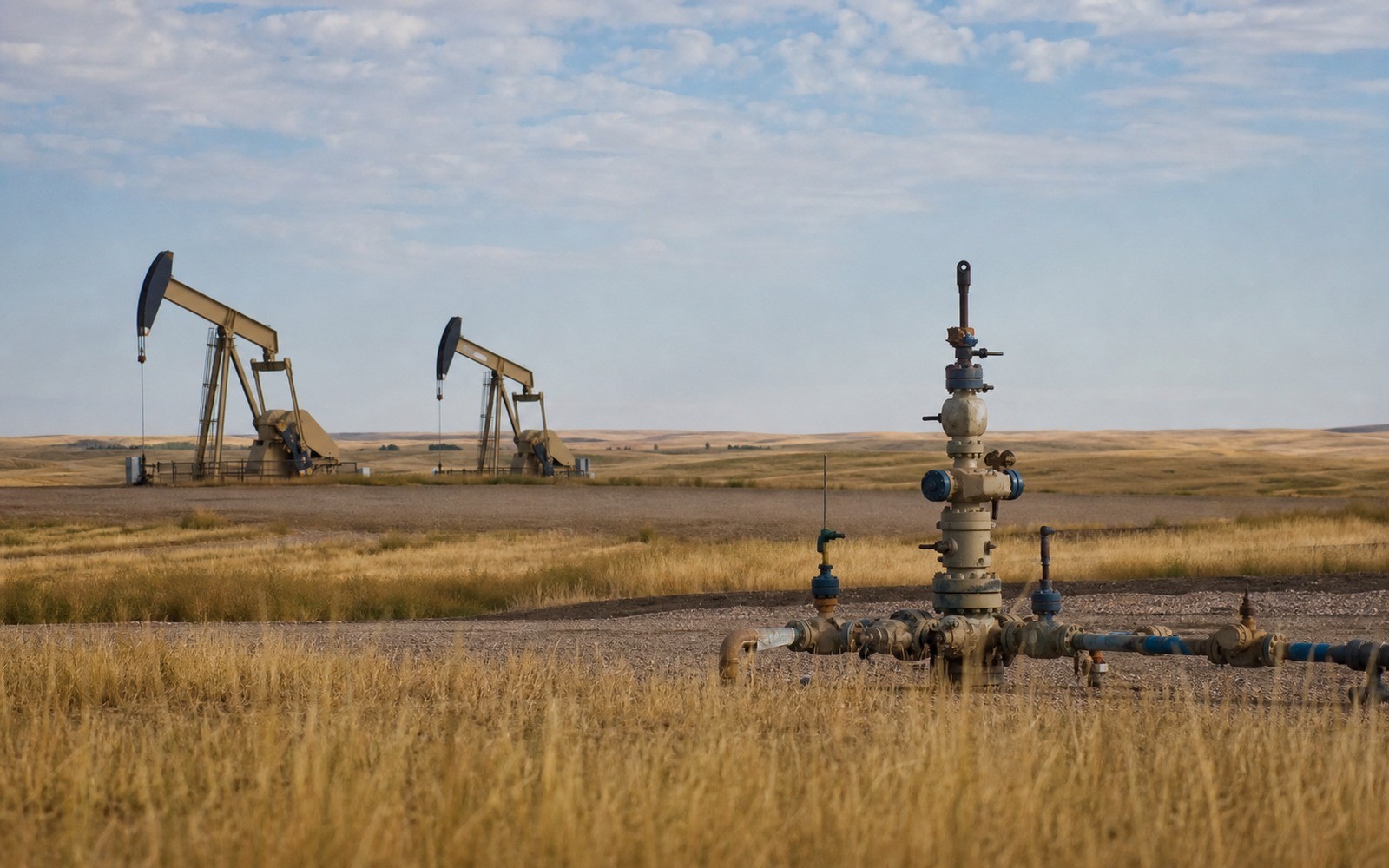
Stark County doesn't get talked about the way McKenzie or Mountrail do, but plenty of families around Dickinson, Richardton, and South Heart still hold minerals worth a real conversation.
Dickinson has always felt more like a service town than a boomtown to the families out here, the place where the trucking companies and the pipe yards and the workforce housing sat while the biggest wells went in further north and west. Stark County minerals sit on the flank of the Bakken rather than in its thickest core, which changes the math on what an interest is worth, but it doesn't mean it isn't worth anything.
We hear from Stark County owners fairly often who assumed their minerals weren't relevant because they didn't hear the same boom stories their cousins up in Watford City told. Some of that acreage has quieter, older production from the Red River and Madison formations underneath the newer Bakken interest, and some has seen recent horizontal development too. Either way, we'll look at your actual tract before telling you what it's worth.
Flank position, not core, and what that means for value
Stark County sits along the southwestern edge of the main Bakken fairway, where the pay zone is thinner and less consistently productive than the McKenzie and Mountrail core. That doesn't mean there's no oil under Stark County ground, but it does mean well results here are more variable, and buyers price flank acreage against a wider range of outcomes than they would core acreage.
There's also a longer history of conventional oil production in this part of the state tied to the older Red River and Madison formations, predating the modern Bakken horizontal boom by decades. Some Stark County families hold minerals that have been quietly producing small amounts from those older zones since well before anyone talked about the Bakken at all.
Dickinson as a service hub as much as a drilling address
A lot of Stark County's connection to the oil economy runs through Dickinson's role as a logistics and workforce center rather than through wells sitting directly under county land. That's useful context for owners, because it means Stark County's oil-and-gas identity is real even where drilling activity itself has been lighter than in the core counties to the north.
Richardton and South Heart, west and southwest of Dickinson, have both seen periodic horizontal Bakken activity over the years, and Taylor further east has similar flank characteristics. Recent activity near your specific section is what we check first, ahead of which side of the county you're on.
Older leases and title gaps in Stark County
Because oil-and-gas activity here goes back further than the modern boom, Stark County title work sometimes turns up older leases from the 1950s through 1980s that were never formally released, sitting alongside more recent paperwork. Sorting out which lease actually governs your interest today is part of what we do before we make an offer, not something we leave for you to untangle at the recorder's office in Dickinson.
Heirship is common here too. A lot of Stark County ranch families have held the same ground for three or four generations, and mineral interests have often been divided among children and grandchildren without a formal deed ever being recorded to reflect the current owners.
What a Stark County royalty statement usually shows
Stark County royalty statements tend to be simpler than the multi-well, multi-bench statements coming out of the Bakken core, often reflecting a single well or a small handful of older wells on modest, steady production rather than a sharp boom-and-decline curve. That steadiness has real value to some buyers looking for longer-tail interests, even if the headline numbers are smaller than what a McKenzie County owner might see.
If you've got a Stark County statement and you're not sure whether the well behind it is a modern horizontal producer or an older conventional one, send it our way. We'll tell you which it is and what that means for what your interest is worth today.
North Dakota Owner Questions
Is it even worth selling minerals on the flank of the Bakken rather than the core?
It can be, depending on the specific well history under your tract. Flank acreage is priced differently than core McKenzie or Mountrail County ground, but plenty of Stark County interests, both from Bakken-era wells and older conventional production, still carry real value. We'll tell you honestly where yours falls.
A western North Dakota family's lease is from the 1960s. Is it still valid?
Possibly, if it's held by continuous production or was renewed at some point. Older Stark County leases sometimes lapsed without a formal release being recorded, which is exactly the kind of title question we check before making an offer.
How do you know if your Stark County minerals are Bakken or an older conventional zone?
Send us your legal description or a recent statement and we'll check the state's well records to identify which formation and which well is actually producing under your tract.
We never formally divided the minerals after your grandparents passed. Can we still sell?
In most cases yes, once heirship is documented, typically through a probate record or an affidavit of heirship recorded with the Stark County Recorder in Dickinson. We can walk you through what's needed for your specific situation.