Oil in Bottineau County predates the word Bakken by two generations, and that older history is exactly why so many family mineral interests here are split so many ways.
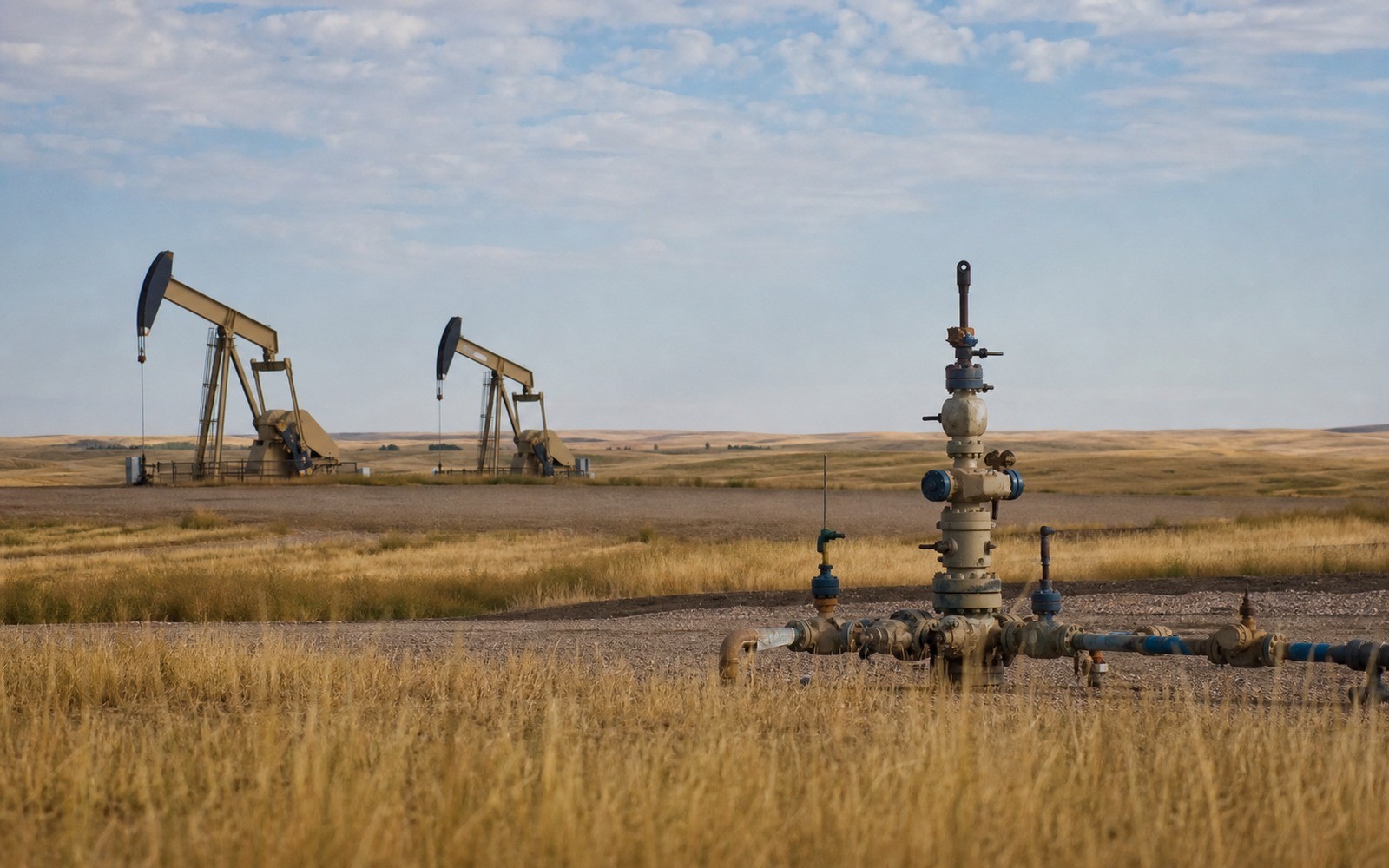
When people hear 'North Dakota oil,' they usually picture Williston or Watford City. Bottineau County's story runs different and older. The Newburg and Wiley fields here were producing from the Madison group back in the 1950s and 60s, decades before horizontal drilling opened up the Bakken shale further west. Those early conventional wells are still on the books in some cases, quietly producing at stripper-well rates, while the county has also seen newer permits testing deeper zones as operators re-evaluate acreage across the northern edge of the basin.
That two-era history means a Bottineau County mineral owner might be holding an interest tied to a well that has been producing steadily since the Eisenhower administration, or one that has never been drilled at all. We start every conversation here by finding out which situation applies to your family's tract.
Oil in Bottineau County Started Before the Bakken Had a Name
The Newburg field, discovered in the late 1950s, and the nearby Wiley field put Bottineau County on the map as a producing area long before the Bakken shale boom of the 2000s reached this far northeast. Those Madison-group wells were conventional vertical wells, drilled and completed with technology nothing like the modern horizontal laterals running through McKenzie or Williams counties today.
Because that older production has stayed on the same legal descriptions for so long, family mineral records here often go back further than in newer Bakken counties, which can actually make ownership easier to trace once you know where to look.
Newburg, Wiley, and the Small Producing Units Still on the Books
Many of the units around Newburg and Wiley are small by modern standards, sometimes a single well held on a modest spacing unit rather than the 1,280-acre or larger units common in core Bakken counties. Royalty statements from these older units tend to be straightforward, but production rates from wells this age are typically low and declining slowly rather than showing the sharp early-life decline curve of a new Bakken well.
Some Bottineau County acreage has also seen renewed leasing interest as operators test whether deeper unconventional zones extend this far into the basin's northern edge, which is worth knowing if your family's lease has expired and you're deciding whether to sign a new one or sell outright.
Why So Many Bottineau County Interests Are Split Among Heirs
Because production here has run continuously since the 1950s and 60s in some units, mineral interests have had two or three more generations to divide than in counties where drilling only started in the 2000s. It is common for a Bottineau County division order to list a dozen or more heirs on a single legal description, each holding a fraction of a fraction.
If you're one of several cousins who each inherited a sliver of a grandparent's original tract, you're in a very typical Bottineau County situation, and it usually does not require every heir to agree before your own share can be sorted out.
Recording and Confirming Title Through the County Recorder
The Bottineau County Recorder's office maintains the deed and lease records for these tracts, and because production has been ongoing for so long, there is often a longer paper trail to pull than in newer counties. That is generally good news for confirming ownership, since more history usually means a clearer chain rather than a murkier one.
We can request and review that chain on your behalf and explain, in plain terms, what your specific fraction is and where it sits relative to current production, at no cost to you.
North Dakota Owner Questions
Is Bottineau County part of the Bakken oil boom?
Not the modern horizontal Bakken boom directly. Its oil history goes back to the Newburg and Wiley conventional fields of the 1950s and 60s, though some newer leasing has tested deeper zones on the basin's northern edge.
Why does your Bottineau County royalty check look so small compared to what you have heard about Bakken counties?
Older conventional wells in units like Newburg typically produce at low, steady stripper-well rates rather than the high early-life volumes of a new horizontal Bakken well, and that shows up directly in check size.
How many heirs typically share a Bottineau County mineral tract?
It varies, but because some units have been producing since the 1950s, three or four generations of heirs is common, and a single original tract can be split among a dozen or more current owners.
Can you sell your share if your cousins who co-inherited don't want to?
In most cases yes. Mineral interests are typically owned as tenants in common, meaning each heir can decide separately what to do with their own fraction.
Where Do you find a western North Dakota family's original Bottineau County mineral deed?
The County Recorder's office in Bottineau holds deed and probate records going back decades. If your documentation is incomplete, a title search can usually fill the gap.