Bottineau, the county seat, sits at the base of the Turtle Mountains and serves as the records center for a county whose oil history stretches back further than most people realize.
As the largest town in Bottineau County, Bottineau houses the County Recorder's office, the source for deed, lease, and probate records covering tracts throughout the county, including the older Newburg and Wiley field areas that made this part of the state a producing region back in the 1950s and 60s.
Bottineau's Role as County Seat
As the administrative and commercial hub for the county, Bottineau supports both an agricultural and tourism economy centered on the nearby Turtle Mountains and Lake Metigoshe, alongside its role housing the county's mineral records.
A County With an Older Oil Story
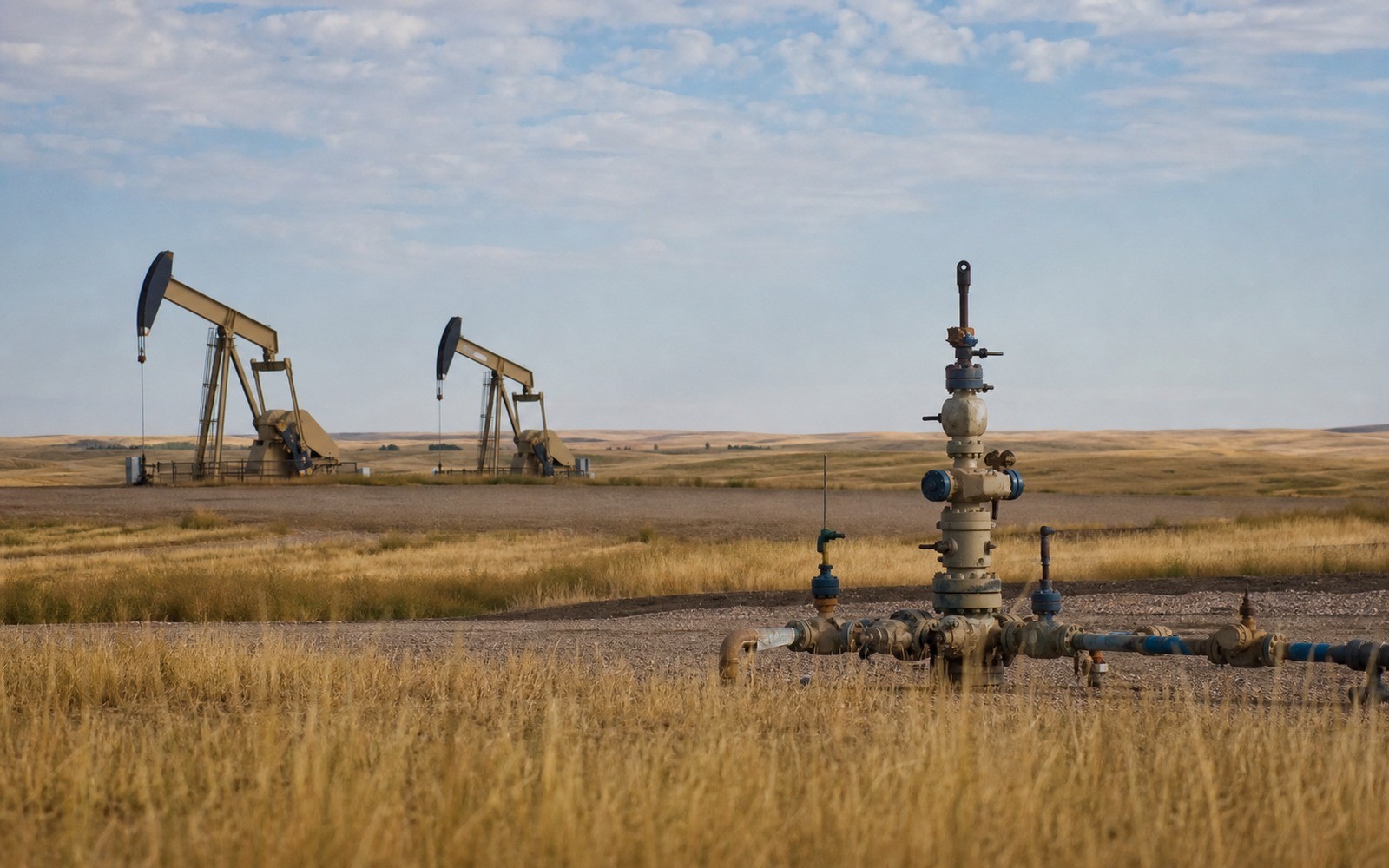
Bottineau County's oil history predates the modern Bakken program by decades, rooted in the Newburg and Wiley conventional fields, which means family mineral records here can go back further and be easier to trace in some respects than in newer counties.
Where to Begin Your Records Search
The Bottineau County Recorder's office is the necessary starting point for confirming ownership on any tract in the county, and we handle that research for owners at no cost.
What an Offer on a Bottineau-Area Interest Typically Weighs
Because production near the town of Bottineau often traces to decades-old Newburg and Wiley-era wells, we weigh documented production history heavily alongside current status when putting together any offer, rather than pricing off assumptions about newer Bakken-style activity.
Begin with the local record trail
A local mineral review starts with the recording office, legal description, deed chain, reservations, lease, units, division orders, payor records, statements, and state well data.
Route local questions correctly
Probate, marital property, dormant-mineral rules, pooling, recording, transfer, regulatory filings, and payor notices can differ from one county to the next. Qualified advisers should review those questions.
Keep the local review tract-specific
Use the local context as a prompt, not a valuation shortcut. Bottineau is the county seat and gateway to the Turtle Mountains, holding the courthouse records for the county's decades-old legacy oil interests. The review desk then reconciles the exact tract against gross and net acres, ownership fraction, producing and inactive wells, paid decimal, recent statements, lease burdens, title exceptions, and the complete written offer. That comparison keeps a familiar town or county name from standing in for the record that actually controls price and closing.
North Dakota Owner Questions
Is Bottineau the county seat?
Yes, Bottineau is the largest town in the county and houses the County Recorder's office.
Does Bottineau County have older oil history than the Bakken boom?
Yes, its oil story goes back to the Newburg and Wiley conventional fields of the 1950s and 60s, well before the modern horizontal Bakken program.
Where Do you research a Bottineau-area mineral interest?
The Bottineau County Recorder's office, located in the town of Bottineau, holds the deed and probate records most owners need.
Is Bottineau County part of core Bakken drilling territory?
No, it sits on the basin's flank, with its own older conventional production history distinct from the core McKenzie/Mountrail Bakken trend.
Do older Bottineau County wells get valued differently than newer ones?
Yes, steady legacy production is evaluated on its own track record rather than compared directly to newer horizontal Bakken wells, which behave very differently.