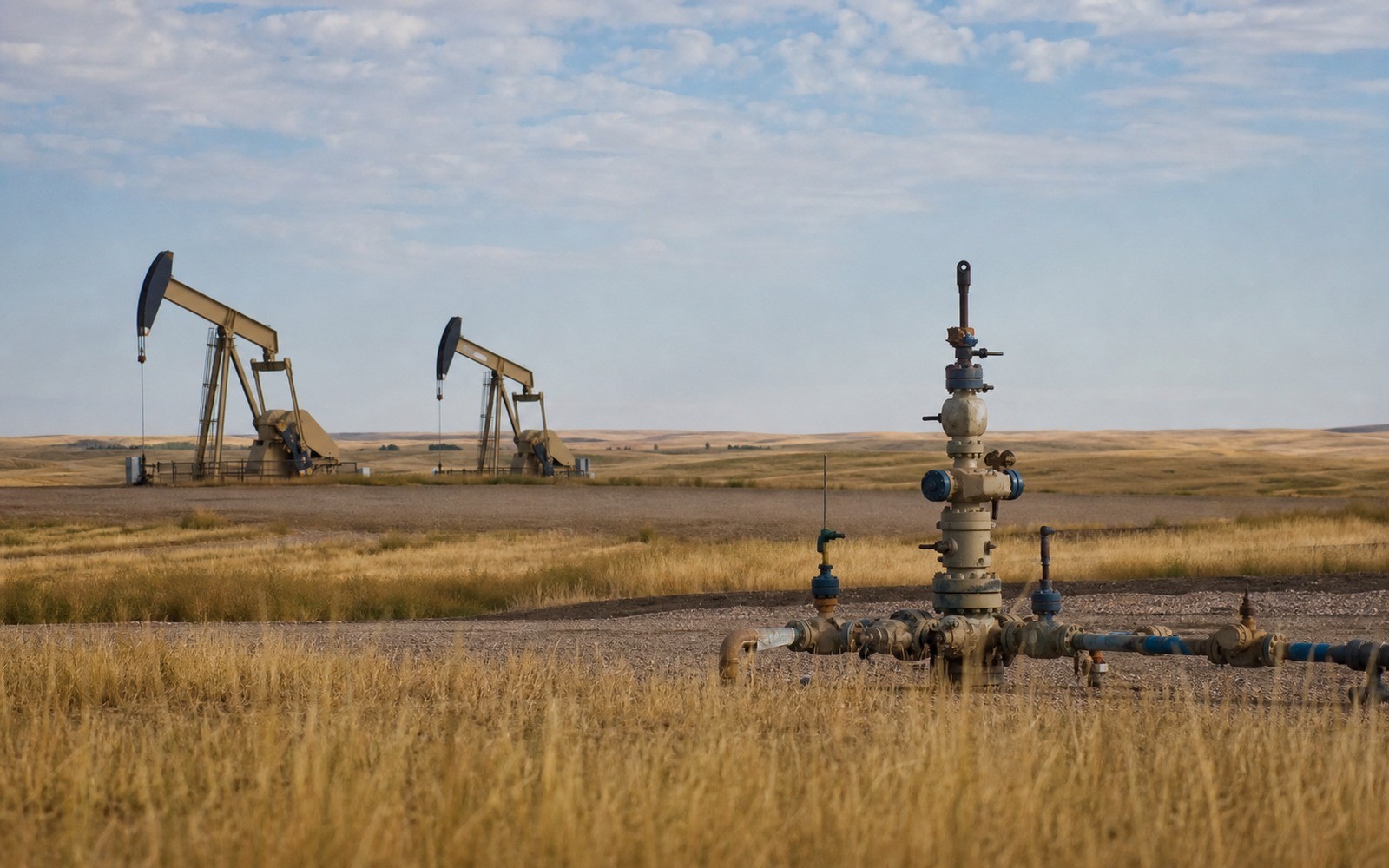
Burke County has one foot in the old shallow-well era and one foot in the modern Bakken flank, and knowing which foot your family's tract is standing on changes everything about what it's worth.
Burke County, up against the Canadian border in the state's far north, has a quieter oil history than its core-Bakken neighbors to the south, but it is not an empty one. Legacy wells drilled decades ago into shallower zones sit alongside more recent permits pushing up from the busier acreage in Williams and Divide counties. For a mineral owner here, the practical question is rarely whether Burke County has oil, it's whether the specific legal description your family holds falls inside an active spacing unit today.
We work with a lot of Burke County owners who inherited a fraction of a homestead-era tract and have watched royalty income come and go over the decades as different operators moved through the area. Getting a straight answer starts with the actual record, not the family story.
Burke County Sits on the Bakken's Northern Edge
Burke County is generally classified as flank rather than core Bakken/Three Forks territory, which means well density and per-well output here have historically run lower than in McKenzie, Williams, or Mountrail counties. That does not mean the county is inactive, only that spacing units tend to be less continuous and new permits more selective.
Operators evaluating flank acreage like Burke County's weigh commodity price alongside geology more heavily than in the core, which is part of why activity here can go quiet for a stretch and then pick back up when prices support it.
Legacy Wells and the New Wave of Spacing Units
Some Burke County production traces back to earlier, shallower conventional wells drilled well before the modern Bakken shale program began, similar to the older-field pattern seen in neighboring Bottineau County. Where those legacy wells still produce, they typically do so at low, steady stripper rates.
More recent Bakken and Three Forks horizontal permits have also reached into parts of Burke County as operators extend spacing units north from more heavily developed acreage, so a tract with no history of activity a decade ago can now sit inside a newly formed unit.
How Homestead-Era Ownership Split Over Four Generations
Burke County was settled during the same early-1900s homestead wave as the rest of northwestern North Dakota, and those original quarter- and half-section patents have since divided repeatedly through wills and intestate succession. A tract that started with one owner in 1910 can easily have eight, ten, or more owners by now, many of them living far outside North Dakota.
If you're a Burke County heir who has never lived in the state and only recently learned about a mineral interest through a relative's estate, that is one of the most common situations we see across this part of the flank.
What to Check Before You Sign Anything on a Burke County Interest
Before entering a new lease or accepting an offer, confirm your legal description against current spacing unit filings with the North Dakota Industrial Commission, and pull your deed chain from the Burke County Recorder in Bowbells to make sure your fraction is stated correctly. Skipping either step is how owners end up signing away more, or less, than they actually hold.
We do that legwork for owners at no cost as part of putting together an honest offer, whether the tract turns out to be actively producing or sitting quiet on the flank.
What an Offer on Burke County Minerals Usually Weighs
Because Burke County mixes low, steady legacy production with more speculative newer permits, an honest offer here has to account for two very different possibilities on the same tract: a well that has quietly produced for decades at a predictable rate, or acreage that has never been drilled and depends entirely on future operator interest. We walk owners through which category their specific tract falls into before putting a number on paper, and we never quote a fixed price without first pulling the record.
North Dakota Owner Questions
Is Burke County part of the core Bakken play?
No, it is generally considered flank acreage on the basin's northern edge, with lower well density than core counties like McKenzie or Mountrail, though newer permits do extend into parts of the county.
A western North Dakota family's Burke County well hasn't produced in years. Is the mineral interest worthless?
Not necessarily. A quiet well or an unleased tract can still hold value, especially if it sits inside or near an active spacing unit. The only way to know is to check current status against ND Industrial Commission records.
How many owners typically share a Burke County tract today?
Given the county's homestead-era settlement, it is common for an original single-owner patent to have split among eight to ten or more heirs across four generations, many living out of state.
Where is the Burke County Recorder's office?
In Bowbells, the county seat. That office holds the deed and probate chain most owners need before confirming or selling a mineral interest.
What's the difference between a legacy well and a new spacing unit in Burke County?
Legacy wells were drilled decades ago into shallower conventional zones and typically produce at low, steady rates. Newer spacing units target the Bakken/Three Forks with horizontal wells and can include tracts that had no prior drilling history.
Do all Burke County mineral owners get the same kind of offer?
No. An offer should reflect whether your specific tract has legacy production, sits in a newer spacing unit, or has no drilling history at all, since those situations carry very different value.