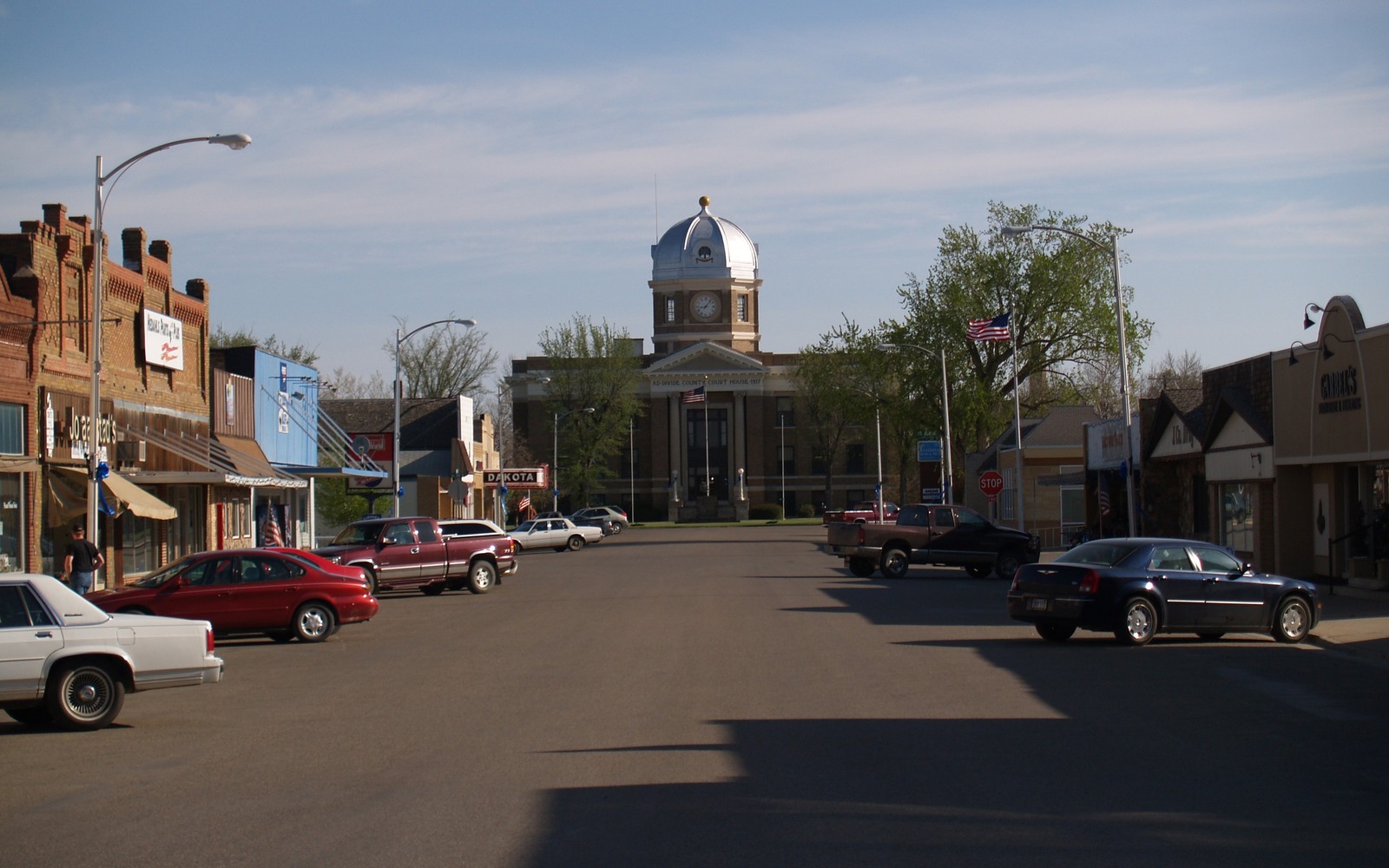
Crosby is the Divide County seat, the regional hub for a stretch of far northwestern North Dakota that has seen oil interest come in uneven waves for decades.
As the county's largest town and administrative center, Crosby houses the Divide County Recorder's office, the source for deed, lease, and probate records covering tracts throughout the county. Because Divide County's oil history stretches back to scattered conventional tests that predate the modern horizontal Bakken program, some Crosby-area families hold documentation going back further than owners in newer development areas.
Crosby's Role as County Seat and Regional Hub
As the largest community in Divide County, Crosby serves as the administrative and commercial center for the surrounding farm and ranch country, and it houses the county's primary records office for anyone researching a mineral interest.
A Longer, More Uneven Oil History
Divide County's relationship with oil goes back to shallow conventional tests decades before the modern Bakken program, with results that varied significantly by tract, a pattern that shaped how many Crosby-area families think about their minerals today.
Where to Start Your Records Search
The Divide County Recorder's office in Crosby is the starting point for any title research, and because it's the county seat, most of the paperwork you'd need is filed right there rather than scattered across multiple offices.
What an Offer on a Crosby-Area Tract Typically Weighs
Given the mix of very old conventional history and more recent flank leasing across Divide County, an honest offer on a Crosby-area interest accounts for both the tract's documented past production and its realistic near-term prospects, rather than one alone.
Begin with the local record trail
A local mineral review starts with the recording office, legal description, deed chain, reservations, lease, units, division orders, payor records, statements, and state well data.
Route local questions correctly
Probate, marital property, dormant-mineral rules, pooling, recording, transfer, regulatory filings, and payor notices can differ from one county to the next. Qualified advisers should review those questions.
Keep the local review tract-specific
Use the local context as a prompt, not a valuation shortcut. Crosby is the Divide County seat, home to the county's oldest oil history and its courthouse records. See what a mineral interest there looks like today. The review desk then reconciles the exact tract against gross and net acres, ownership fraction, producing and inactive wells, paid decimal, recent statements, lease burdens, title exceptions, and the complete written offer. That comparison keeps a familiar town or county name from standing in for the record that actually controls price and closing.
North Dakota Owner Questions
Is Crosby the Divide County seat?
Yes, Crosby is the largest town and administrative center of Divide County, home to the County Recorder's office.
Does Crosby have older oil history than the Bakken boom?
Yes, Divide County saw scattered conventional oil tests decades before the modern horizontal Bakken program, with results that varied a great deal by tract.
Where Do you research a Crosby-area mineral interest?
The Divide County Recorder's office in Crosby holds the deed, lease, and probate records most owners need to confirm ownership.
Is Crosby considered core or flank Bakken territory?
Flank. Divide County sits on the basin's northern edge, with activity levels that have moved more visibly with commodity prices than in core counties.
Can you help even if your Crosby-area paperwork is decades old?
Yes, older paperwork is common in this part of the county given its long oil history, and a title search can typically bridge the gap to a current, confirmed ownership fraction.