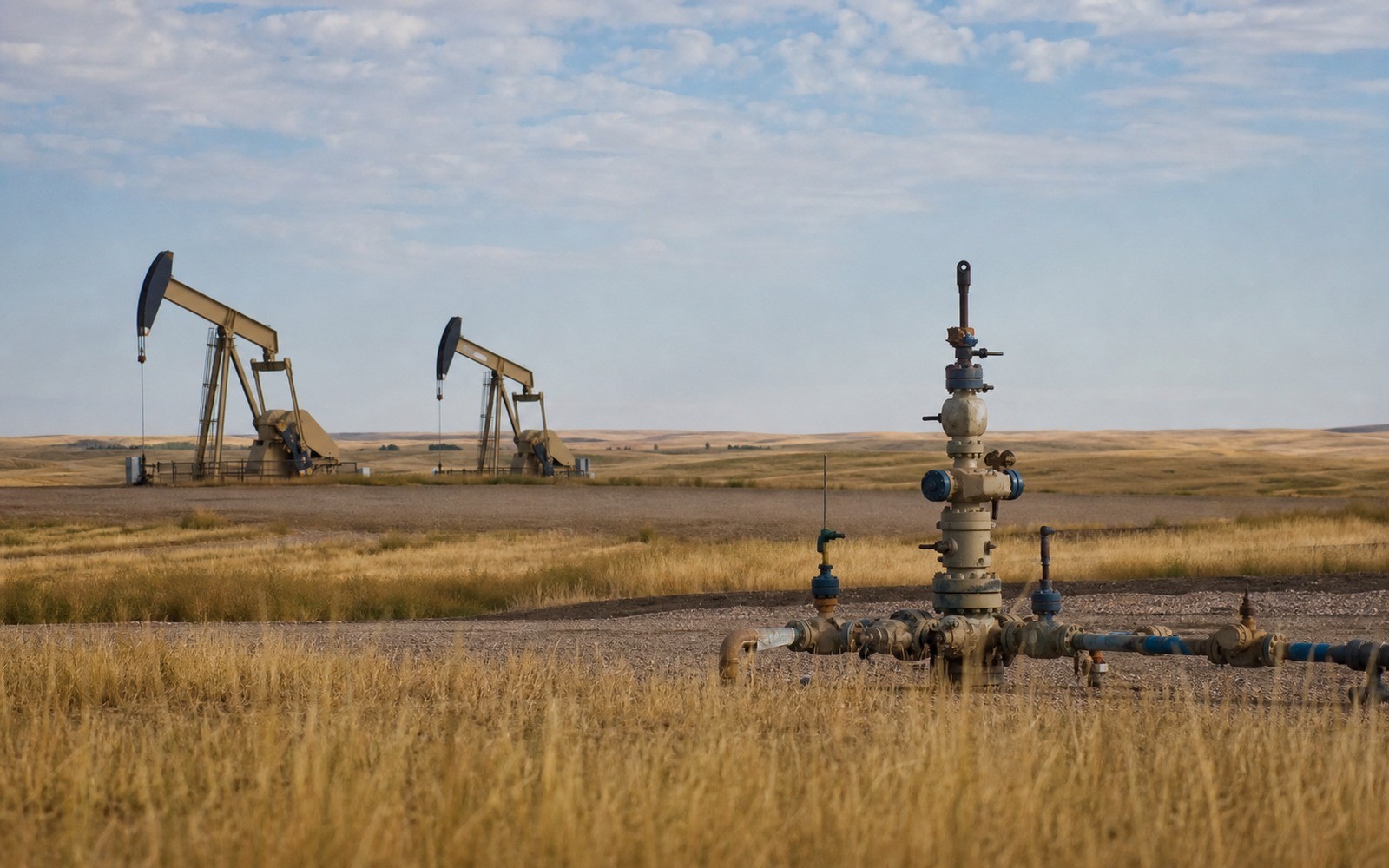
Epping is a small Williams County town within easy reach of Williston, sitting inside acreage that has been part of the Bakken's core development corridor for well over a decade.
Families with roots around Epping often held onto farmland and the minerals underneath it through generations before horizontal drilling made the Bakken economical, and today that same ground frequently sits inside busy, multi-well spacing units. If your family's Epping-area interest hasn't been reviewed recently, checking it against current well and spacing data is a reasonable first step before any decision about a lease or sale.
Epping's Place in Williams County's Core
Williams County's densest Bakken and Three Forks development runs through its central and eastern reaches, and Epping sits well within that active corridor, meaning tracts here are more likely than not to fall inside a currently producing or previously producing unit.
What a Statement From an Epping-Area Unit Usually Shows
Because this part of the county has seen dense multi-well spacing, an Epping-area royalty statement can list more than one well against a single legal description, with production and deductions itemized separately for each. That complexity is normal for core Williams County acreage and worth reviewing line by line rather than skimming the total.
Reviewing Your Statement Before Any Decision
If your Epping-area statement lists multiple wells, we go through each one's production and deductions separately when putting together an offer, since lumping them together can obscure which wells are actually driving your income and which have gone into steep decline.
Begin with the local record trail
A local mineral review starts with the recording office, legal description, deed chain, reservations, lease, units, division orders, payor records, statements, and state well data.
Route local questions correctly
Probate, marital property, dormant-mineral rules, pooling, recording, transfer, regulatory filings, and payor notices can differ from one county to the next. Qualified advisers should review those questions.
Keep the local review tract-specific
Use the local context as a prompt, not a valuation shortcut. Epping sits in core Williams County near Williston. See what dense Bakken development in this part of the county means for your mineral interest. The review desk then reconciles the exact tract against gross and net acres, ownership fraction, producing and inactive wells, paid decimal, recent statements, lease burdens, title exceptions, and the complete written offer. That comparison keeps a familiar town or county name from standing in for the record that actually controls price and closing.
North Dakota Owner Questions
Is Epping, ND in a heavily drilled part of the Bakken?
Yes, Epping sits within Williams County's core development corridor, one of the more active parts of the basin.
Why does your Epping statement list multiple wells?
Multi-well spacing units are common in this part of Williams County, so one legal description can generate production from several horizontal wells.
Where Do you confirm your Epping mineral ownership fraction?
The Williams County Recorder's office in Williston holds the deed and probate chain needed to confirm your current fraction.
What if your Epping statement shows declining production?
Decline is normal for Bakken wells over time, and we factor current decline stage directly into any offer rather than pricing off an older, higher-production month.
Does Epping's proximity to Williston affect mineral values?
Proximity to a hub city like Williston generally reflects easier access to services and infrastructure for operators, which can support continued development interest in nearby spacing units, though value still comes down to your specific tract's production.