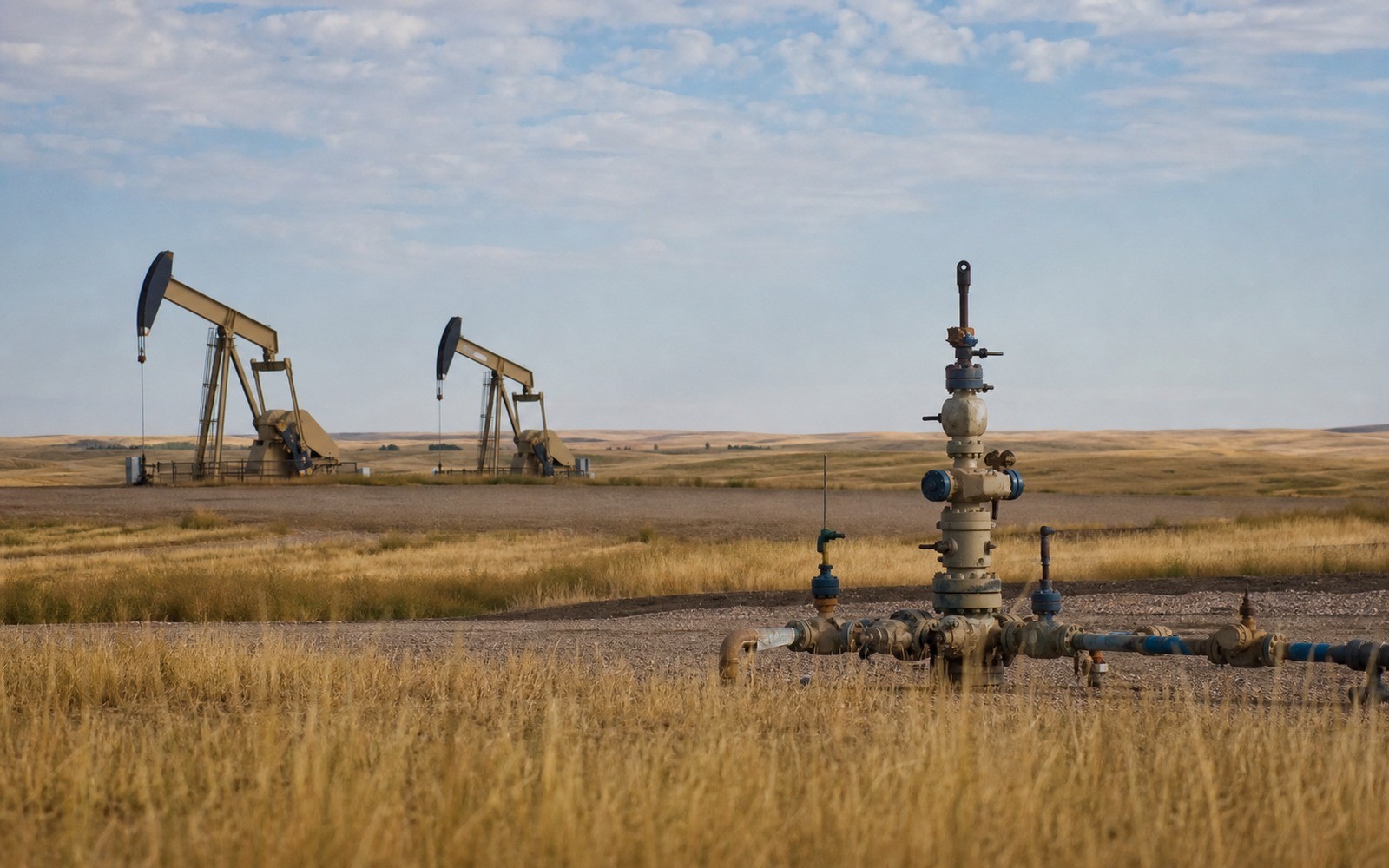
Mandaree sits on the western side of Lake Sakakawea within the Fort Berthold Reservation, in ground that has drawn some of the heaviest Bakken drilling on MHA Nation land.
As with other Fort Berthold communities, mineral ownership around Mandaree often involves tribal trust or individually allotted interests administered through the Bureau of Indian Affairs rather than standard county-recorded fee minerals. Mandaree specifically has been at the center of a great deal of horizontal drilling activity, which means owners here, whether trust, allotted, or fee, are more likely than not to have an active or recently active well tied to their interest.
Some of the Densest Drilling on the Reservation
Spacing units around Mandaree have seen extensive multi-well horizontal development targeting the Bakken and Three Forks, among the most active on the Fort Berthold Reservation. For owners with trust or allotted interests here, that typically means royalty and bonus terms negotiated through MHA Nation leadership rather than directly with an individual operator.
Confirming Trust, Allotted, or Fee Status
Not every tract around Mandaree is trust or allotted; some are fee minerals owned outside the tribal trust system and recorded through McKenzie County. Because the process, approvals, and paperwork differ significantly between the two, confirming which category applies to your specific interest is the necessary first step before any lease review or sale.
What Makes a Mandaree-Area Interest Worth a Closer Look
Given the density of drilling in this part of the reservation, even a modest fractional trust or allotted interest near Mandaree can carry meaningful value, which is exactly why we encourage owners here to get a real review rather than assume a small percentage isn't worth checking.
Begin with the local record trail
A local mineral review starts with the recording office, legal description, deed chain, reservations, lease, units, division orders, payor records, statements, and state well data.
Route local questions correctly
Probate, marital property, dormant-mineral rules, pooling, recording, transfer, regulatory filings, and payor notices can differ from one county to the next. Qualified advisers should review those questions.
Keep the local review tract-specific
Use the local context as a prompt, not a valuation shortcut. Mandaree sits on the west side of the Fort Berthold Reservation with heavy Bakken drilling on MHA Nation trust and allotted minerals. See what that means for you. The review desk then reconciles the exact tract against gross and net acres, ownership fraction, producing and inactive wells, paid decimal, recent statements, lease burdens, title exceptions, and the complete written offer. That comparison keeps a familiar town or county name from standing in for the record that actually controls price and closing.
North Dakota Owner Questions
Is Mandaree part of the Fort Berthold Reservation?
Yes, Mandaree sits on the western side of the reservation and has seen some of the most active Bakken drilling on MHA Nation land.
How do you know if your Mandaree interest is trust, allotted, or fee?
Your family's original documentation or a review through the Bureau of Indian Affairs Land Titles and Records Office can confirm the category, since each is handled through a different process.
Who negotiates royalty terms for trust minerals near Mandaree?
Trust and allotted mineral terms are typically negotiated through MHA Nation leadership, distinct from how a fee mineral owner would negotiate directly with an operator.
Do royalty terms near Mandaree differ from a standard North Dakota lease?
For trust and allotted interests, yes, terms are typically negotiated through MHA Nation leadership and Bureau of Indian Affairs review rather than a direct operator negotiation.
How is Mandaree different from other Fort Berthold communities for mineral purposes?
The underlying trust and allotted ownership rules are the same across the reservation, but Mandaree specifically has seen especially dense drilling, so a given fractional interest there is more likely to be tied to active production.