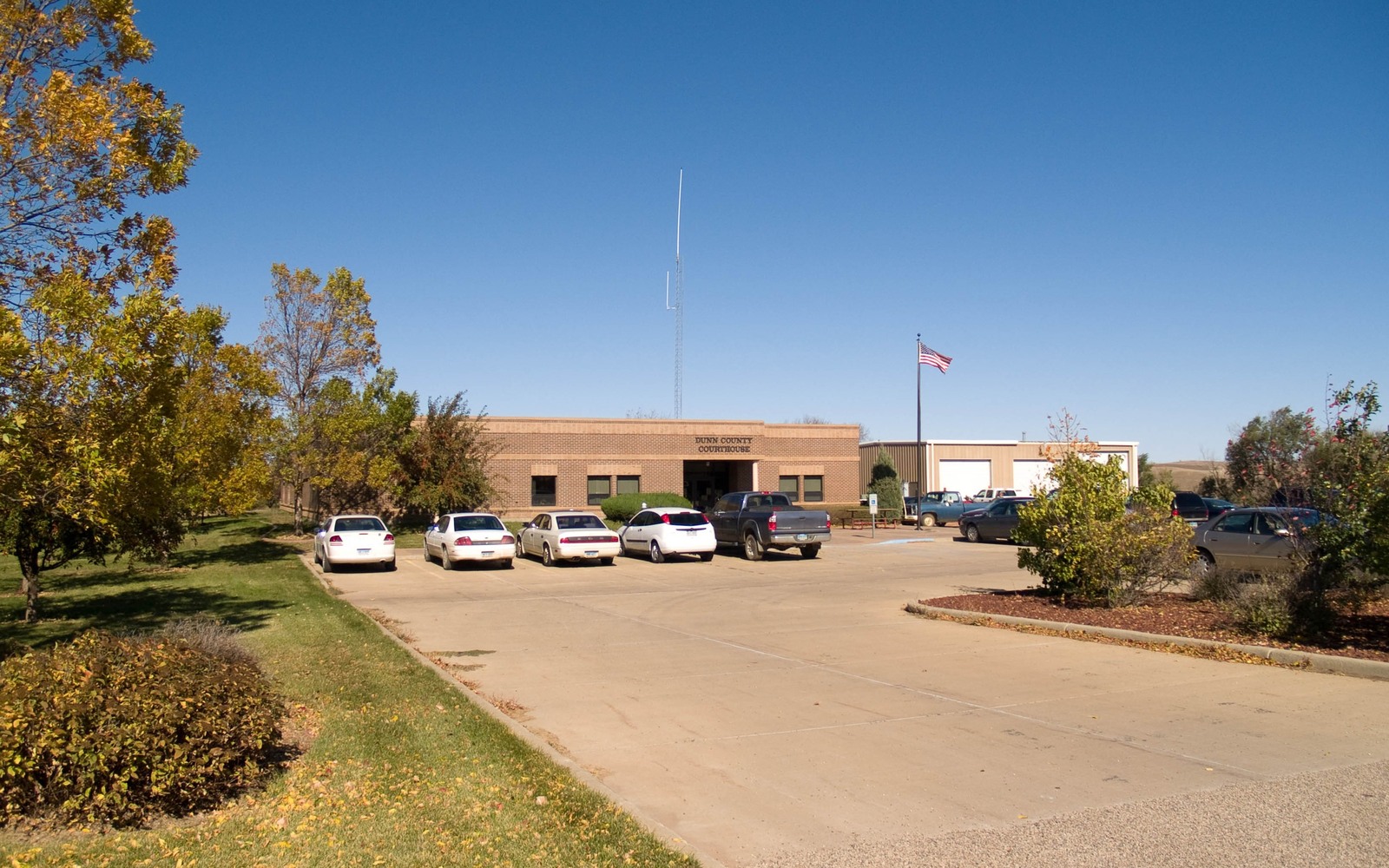
Dunn County isn't flank acreage waiting for its turn, it's core Bakken and Three Forks ground, and that changes both what a family's royalty statement looks like and how carefully it needs reading.
The county seat is Manning, a community so small it's easy to miss on a map, but Dunn County itself is anything but quiet underground. It sits inside the productive heart of the Williston Basin, with the Killdeer Mountains rising over the eastern part of the county and dense clusters of horizontal wells running through spacing units around Killdeer, Halliday, and Dunn Center. Part of the county also touches the Fort Berthold Reservation, adding trust and allotted mineral interests to the mix alongside fee ownership.
For a Dunn County mineral owner, the royalty statement is often the most complicated part of the whole picture, with multiple wells sharing a single spacing unit and deductions that shift month to month. We spend real time with owners here just walking through what the statement is actually saying before any conversation about a sale.
Dunn County Is Core Bakken, Not Flank
Unlike the northern-tier counties along the Canadian border, Dunn County sits well inside the core Bakken and Three Forks trend, alongside McKenzie, Mountrail, and Williams counties. Well density here is high, and it is common for a single spacing unit to hold several horizontal wells targeting both the Bakken and the underlying Three Forks bench.
That density is generally good news for an owner's income potential, but it also means confirming your exact interest requires checking every well on the unit, rather than only the one your family may remember being drilled first.
Killdeer Mountains Geology and Why Wells Cluster Where They Do
The Killdeer Mountains, an isolated uplift historically significant as the site of an 1864 battle, sit near the geologic sweet spots that make eastern Dunn County attractive for horizontal drilling. Operators have targeted spacing units around Killdeer particularly heavily, and that clustering is why some Dunn County families see royalty income from three or four wells on a single legal description while a neighboring tract sees none.
Wells farther from that productive core, closer to Dunn Center and Halliday, still see activity but with more variation in how many laterals a given unit ends up holding.
Reading a Multi-Well Dunn County Royalty Statement
A statement covering a multi-well Dunn County unit typically lists production and deductions separately for each well, and the deductions themselves, gathering, processing, transportation, can vary well to well and month to month depending on the operator and the midstream contracts in place. It is easy to misread a statement like this and assume something is wrong when the numbers are just reflecting normal decline and deduction variation across several wells.
We review statements like these with owners line by line, at no cost, before any conversation about what a sale might look like.
Fee, Trust, and Split Estate: Sorting Out What You Actually Own
Because part of Dunn County touches the Fort Berthold Reservation, some tracts in the county involve trust or allotted mineral interests administered through the Bureau of Indian Affairs rather than standard fee ownership recorded at the county courthouse. Knowing which category your family's interest falls into changes both the paperwork required and who needs to approve a transaction.
Most Dunn County ownership outside the reservation boundary is standard fee mineral ownership recorded through the county, and that chain is usually straightforward to confirm once we have your legal description.
Why Timing Matters More in a Multi-Well Core County
In a county with this much well density, the value of an interest can shift meaningfully depending on where a given well sits in its production life. A newly completed well on your unit behaves very differently than one several years into decline, and an offer made without accounting for that stage is not one we consider complete.
North Dakota Owner Questions
Is Dunn County part of the core Bakken play?
Yes, Dunn County sits inside the core Bakken and Three Forks trend alongside McKenzie, Mountrail, and Williams counties, with high well density particularly around Killdeer.
Why does your Dunn County statement list several wells under one legal description?
Spacing units in core Bakken counties commonly hold multiple horizontal wells targeting both the Bakken and Three Forks benches, so one unit can generate several separate production lines on a single statement.
Does the Fort Berthold Reservation affect your Dunn County mineral rights?
Only if your specific tract falls within the reservation boundary and involves trust or allotted ownership, which is handled through the Bureau of Indian Affairs rather than standard county recording. Most Dunn County fee minerals outside that boundary follow the normal county process.
Why do the deductions on your statement change every month?
Gathering, processing, and transportation costs are typically charged against production and can shift with midstream contracts and volumes, which is normal for multi-well Bakken units and not necessarily a sign of an error.
What's the historical significance of the Killdeer Mountains?
The Killdeer Mountains were the site of an 1864 battle and remain a landmark uplift in eastern Dunn County; geologically, the productive sweet spots operators target for horizontal wells cluster near that area.
Does the age of a well on your Dunn County unit affect an offer?
Yes, a well early in its production life is valued differently than one well into decline, so we account for each well's stage before making any offer.