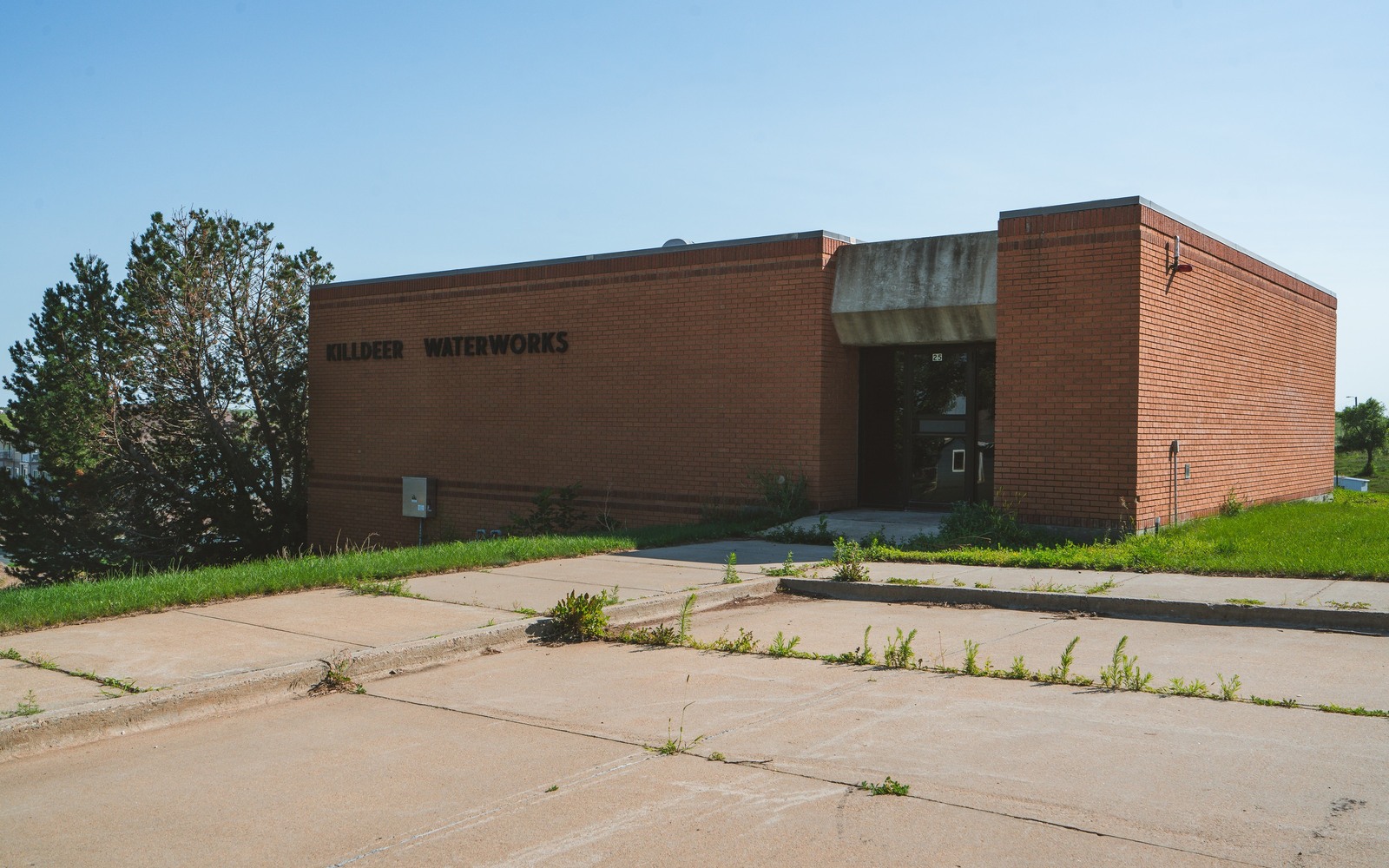
Killdeer sits right where Dunn County's Bakken development runs densest, near the Killdeer Mountains, and families here are more likely than almost anywhere else in the county to see multiple wells tied to a single interest.
Killdeer is the largest town in Dunn County and sits near the geologic sweet spots that have made this part of the county a magnet for horizontal drilling into both the Bakken and Three Forks formations. The nearby Killdeer Mountains, historically significant as the site of an 1864 battle, mark the productive core that operators have targeted particularly hard.
For a Killdeer-area mineral owner, that density usually means a more complex royalty statement than in quieter parts of the county, and it's worth having someone walk through exactly what each well on the statement is contributing before making any decision.
Killdeer's Position at the Heart of Dunn County Drilling
Spacing units around Killdeer are among the most heavily developed in Dunn County, with several operators historically active in the area running stacked laterals through the same sections. That density generally supports strong income potential but also means more moving parts on any given statement.
The Killdeer Mountains and Why Wells Cluster Here
The productive geologic trend that makes this area attractive to drillers roughly follows the uplift around the Killdeer Mountains, which is part of why well counts per unit tend to run higher here than in other parts of the county.
Making Sense of a Multi-Well Killdeer Statement
A Killdeer-area statement can list production and deductions for several wells on the same legal description, and we review that line by line with owners, at no cost, before discussing what an offer on the interest might look like.
Why Killdeer Interests Often Need Extra Review Time
Given how many wells can share a single Killdeer-area spacing unit, we typically spend more time reviewing these statements than simpler flank-county interests, making sure every well's contribution is accounted for before discussing value.
Begin with the local record trail
A local mineral review starts with the recording office, legal description, deed chain, reservations, lease, units, division orders, payor records, statements, and state well data.
Route local questions correctly
Probate, marital property, dormant-mineral rules, pooling, recording, transfer, regulatory filings, and payor notices can differ from one county to the next. Qualified advisers should review those questions.
Keep the local review tract-specific
Use the local context as a prompt, not a valuation shortcut. Killdeer sits at the heart of Dunn County's densest Bakken drilling near the Killdeer Mountains. See what that density means for your family's interest. The review desk then reconciles the exact tract against gross and net acres, ownership fraction, producing and inactive wells, paid decimal, recent statements, lease burdens, title exceptions, and the complete written offer. That comparison keeps a familiar town or county name from standing in for the record that actually controls price and closing.
North Dakota Owner Questions
Is Killdeer the busiest drilling area in Dunn County?
It's among the most heavily developed, sitting near the geologic sweet spots that make this part of the county particularly attractive for horizontal drilling.
What is the historical significance of the Killdeer Mountains?
They were the site of an 1864 battle and remain a landmark uplift; geologically, the productive trend operators target closely follows this area.
Why does your Killdeer statement list so many wells?
Dense spacing units in this part of the county commonly hold several horizontal wells per legal description, which is normal for core acreage near Killdeer.
Can you help you understand a confusing multi-well Killdeer statement?
Yes, we review statements line by line with owners at no cost, before any conversation about what an offer would look like.
Why does reviewing your Killdeer interest take longer than a flank-county one?
Multi-well units require checking each well's production and deductions individually, which takes more time than a single-well statement common in flank counties.